

News
-

-

-

-

-
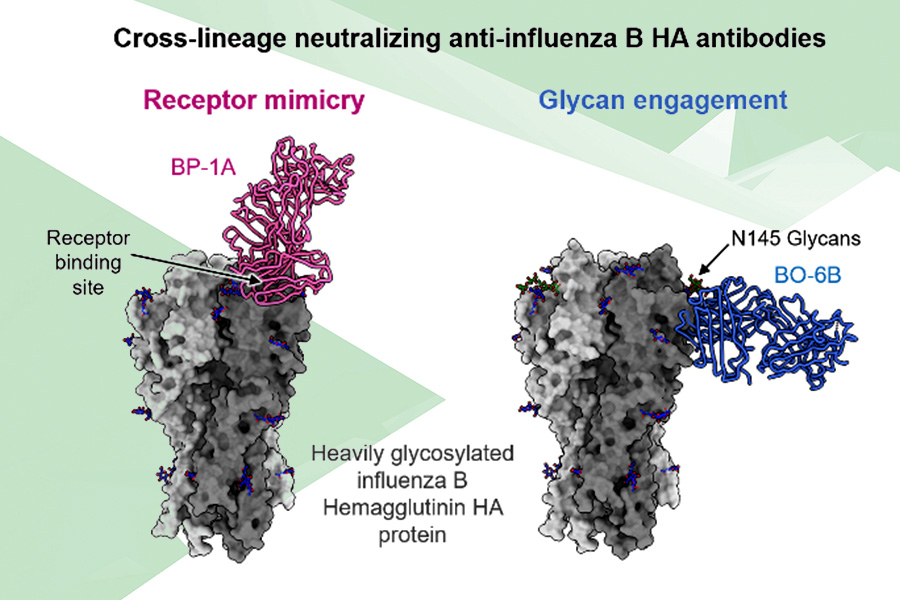
A Dual Tactic: Antibodies Broadly Neutralize Influenza B Relying on "Receptor Mimicry" and "Locking onto Sugar Shield"
Influenza A and B viruses are the primary drivers of annual acute respiratory infections, commonly known as the flu, and represent a persistent public health challenge.
-
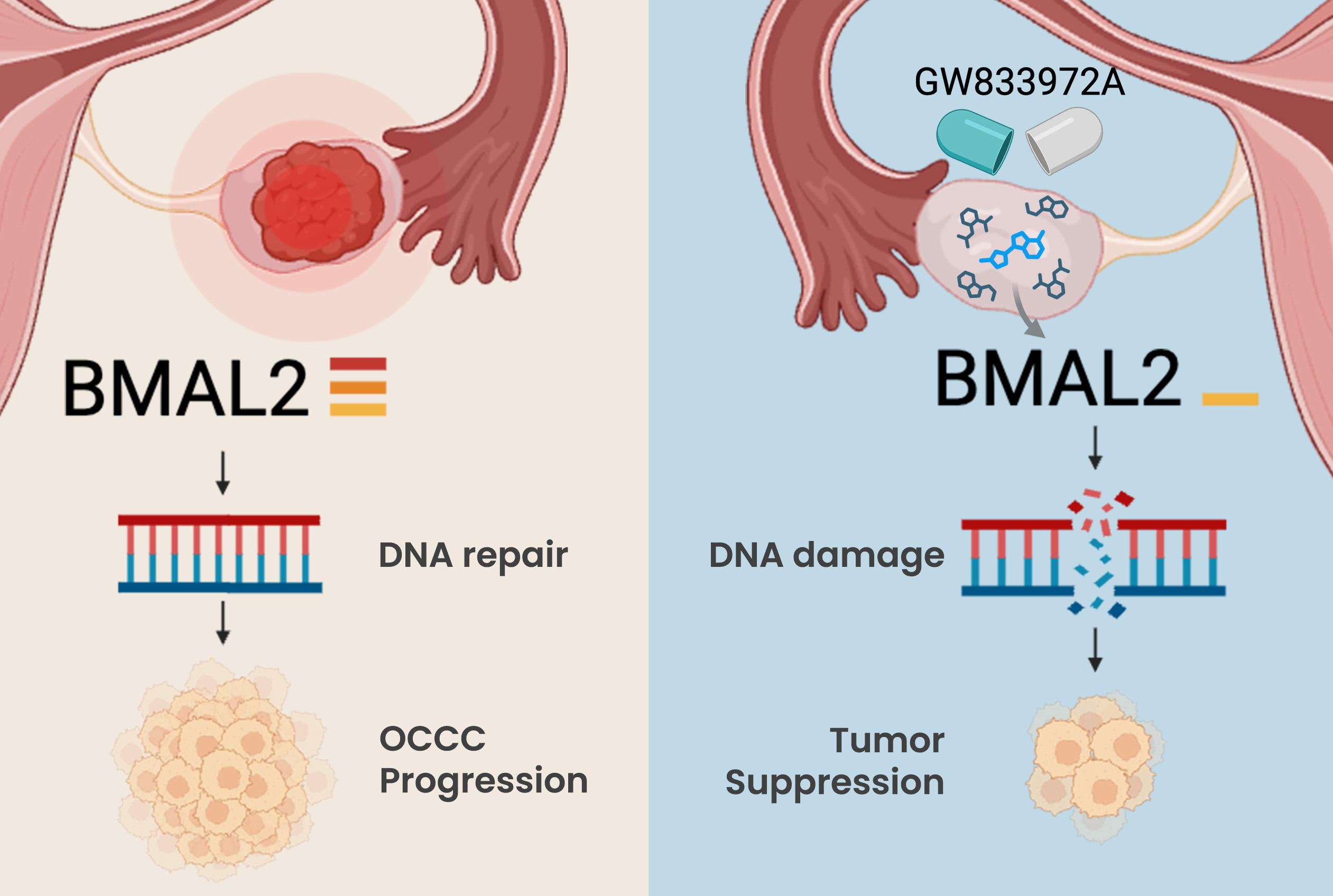
BMAL2 is a druggable target for ovarian clear cell carcinoma (OCCC)
Ovarian clear cell carcinomas (OCCC), particularly cases retaining wild-type ARID1A expression, are chemo-resistant and lack specific therapies. We identified circadian gene BMAL2 as a critical oncogene that promotes OCCC tumorigenesis by preventing endogenous DNA damage.
-

Academia Sinica–NHRI 20-Year Follow-up Study Reveals Sevenfold Increase in Breast Cancer Risk from Combined Phthalate Exposure, Metabolic Susceptibility, and Early Menarche Age
Breast cancer has long been the most common cancer among women in Taiwan and in many developed countries, with a recent trend toward younger onset. A research team led by Academician Chien-Jen Chen, Distinguished Research Fellow at the Genomics Research Center of Academia Sinica, in collaboration with the National Health Research Institutes (NHRI) and several universities in Taiwan, has completed a large-scale, 20-year study on breast cancer risk assessment. The findings were published in the Proceedings of the National Academy of Sciences (PNAS) in March 2026.
-
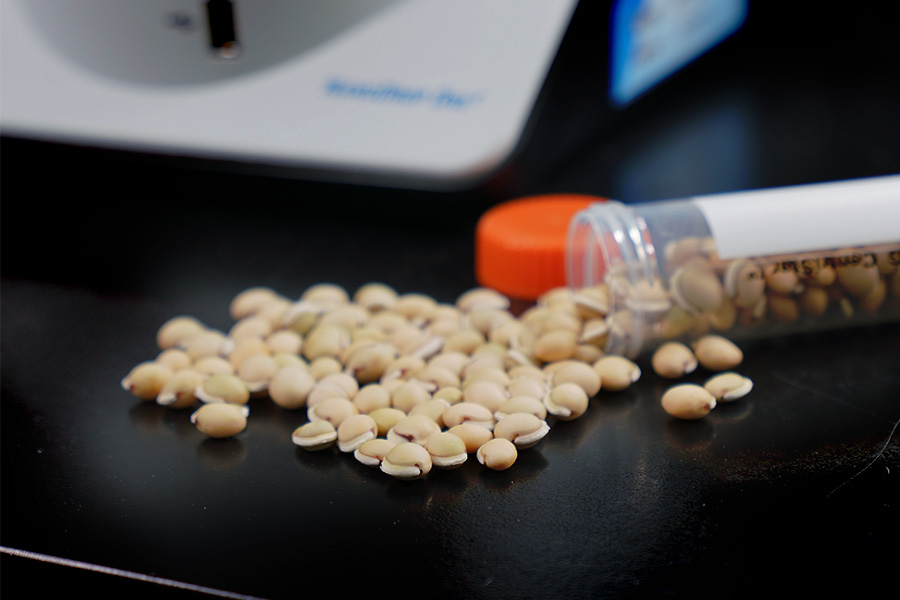
Researchers at GRC find a way to produce active legume lectins, and alter their ability to bind different sugars
Legume lectins are proteins produced by plants in the bean family that binds to sugars, and are often used by the plant for self-defense or signaling. Some legume lectins, like ricin, are incredibly poisonous while others, like ConA, have an array of biomedical properties that make them powerful tools in glycobiology and medicine.
-
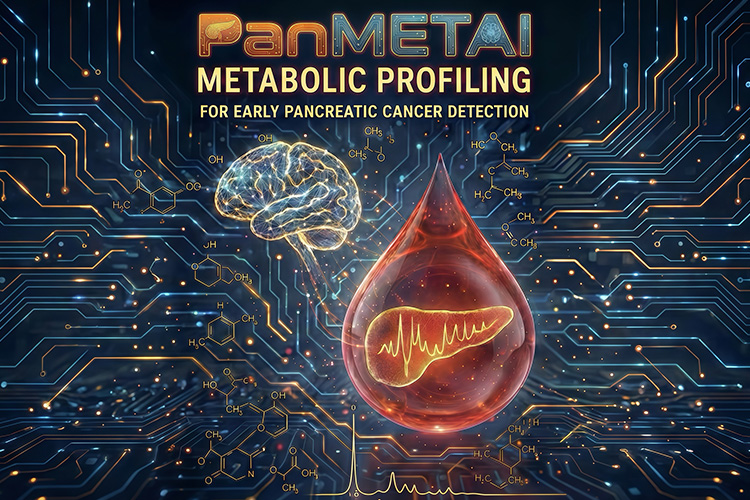
Academia Sinica and NTU Hospital Jointly Develop PanMETAI: A Revolutionary AI Metabolomics Platform
After twenty years of dedicated research, a cross-disciplinary team from Academia Sinica and National Taiwan University (NTU) Hospital has announced a major breakthrough in oncology.
-
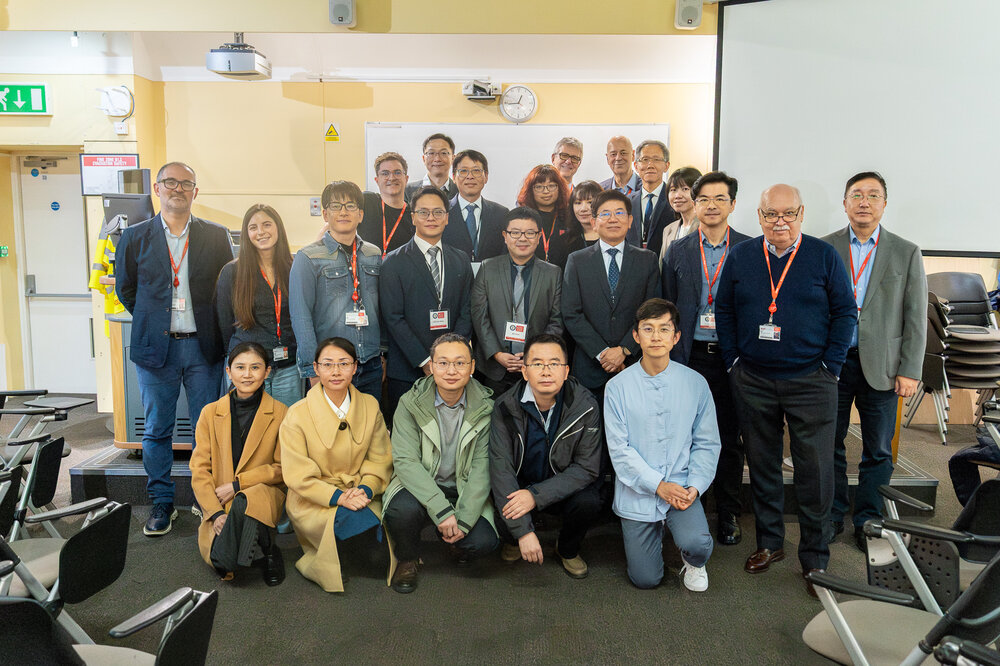
Genomics Research Center faculty participated in the Academia Sinica-UK bilateral research exchange events
Drs. Chih-Hao Lee, Wei Chen, Chih-Hao Wang and Sung-Jan Lin (joint appointment) were among the 10 members of the Academia Sinica delegation to visit the King’s College School of Cardiovascular and Metabolic Medicine and Sciences (SCMMS) in London, UK on 10/13/2025.
-

Unveil New Clinical Applications of Hepatitis B Surface Antigen Quantification
Breakthrough from Academia Sinica & NTUH: Studies in Gut & Hepatology show HBsAg levels reshape HBV cure criteria & risk stratification.
-
-
-
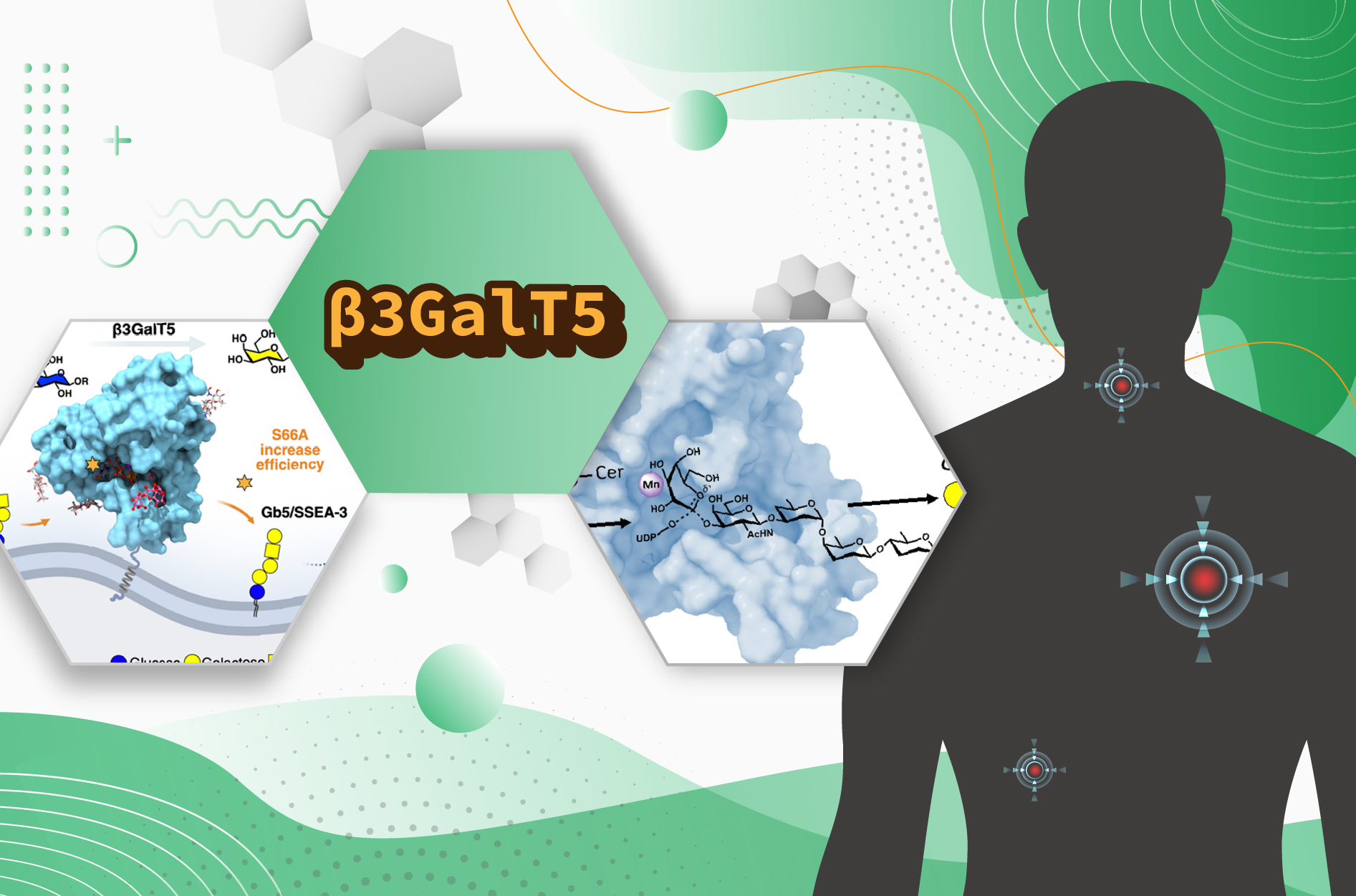
Scientists Crack the Code of a Cancer-Related Enzyme, Opening Doors to New Treatments
Cancer remains a global health challenge, with approximately 20 million new cases and 9.7 million deaths reported in 2022 by the International Agency for Research on Cancer. Two exciting new studies published in the Journal of the American Chemical Society are shedding light on an enzyme called beta-1,3-galactosyltransferase 5 (β3GalT5), which plays a critical role in producing sugar molecules tied to cancer progression.
-

-
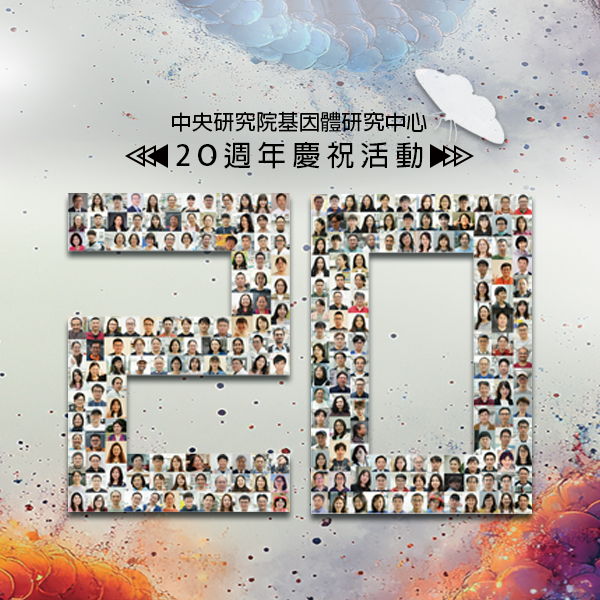
Genomics Research Center 20th Anniversary Celebration
To commemorate this milestone, GRC held its 20th Anniversary Celebration on December 11, 2024. We sincerely thank former and current GRC members, collaborators, and esteemed guests for joining us in celebrating the growth and achievements of the GRC.
-
-
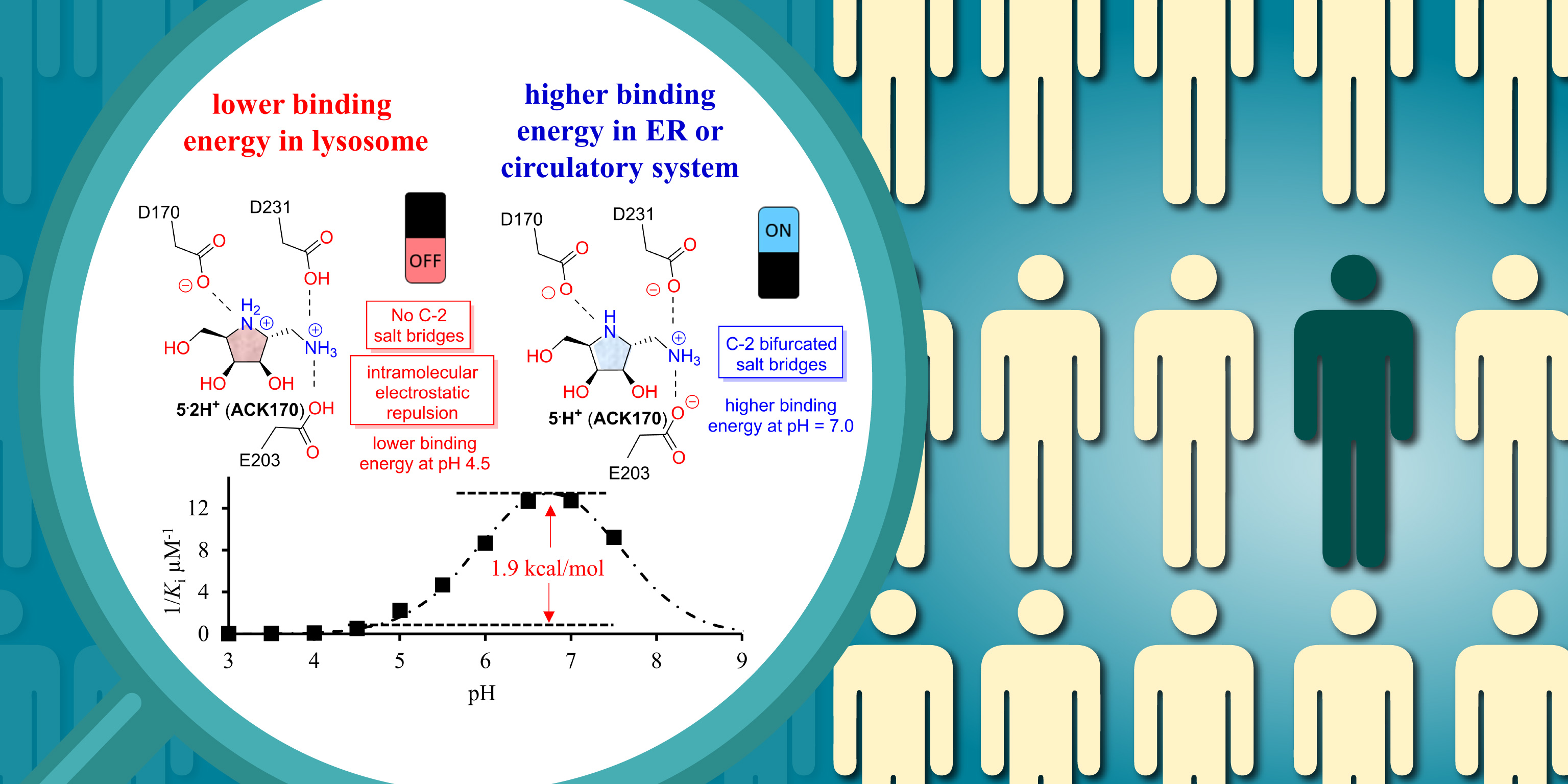
The Next Chapter of Precision Chemical Modification: From Natural Product Inspirations to Efficient Drugs for Rare Disease
"Natural is Still the Best!" Scientists have isolated numerous small molecules with potential biological activity from natural sources. However, these molecules often require chemical modifications and structural refinements to unleash their full potential.
-
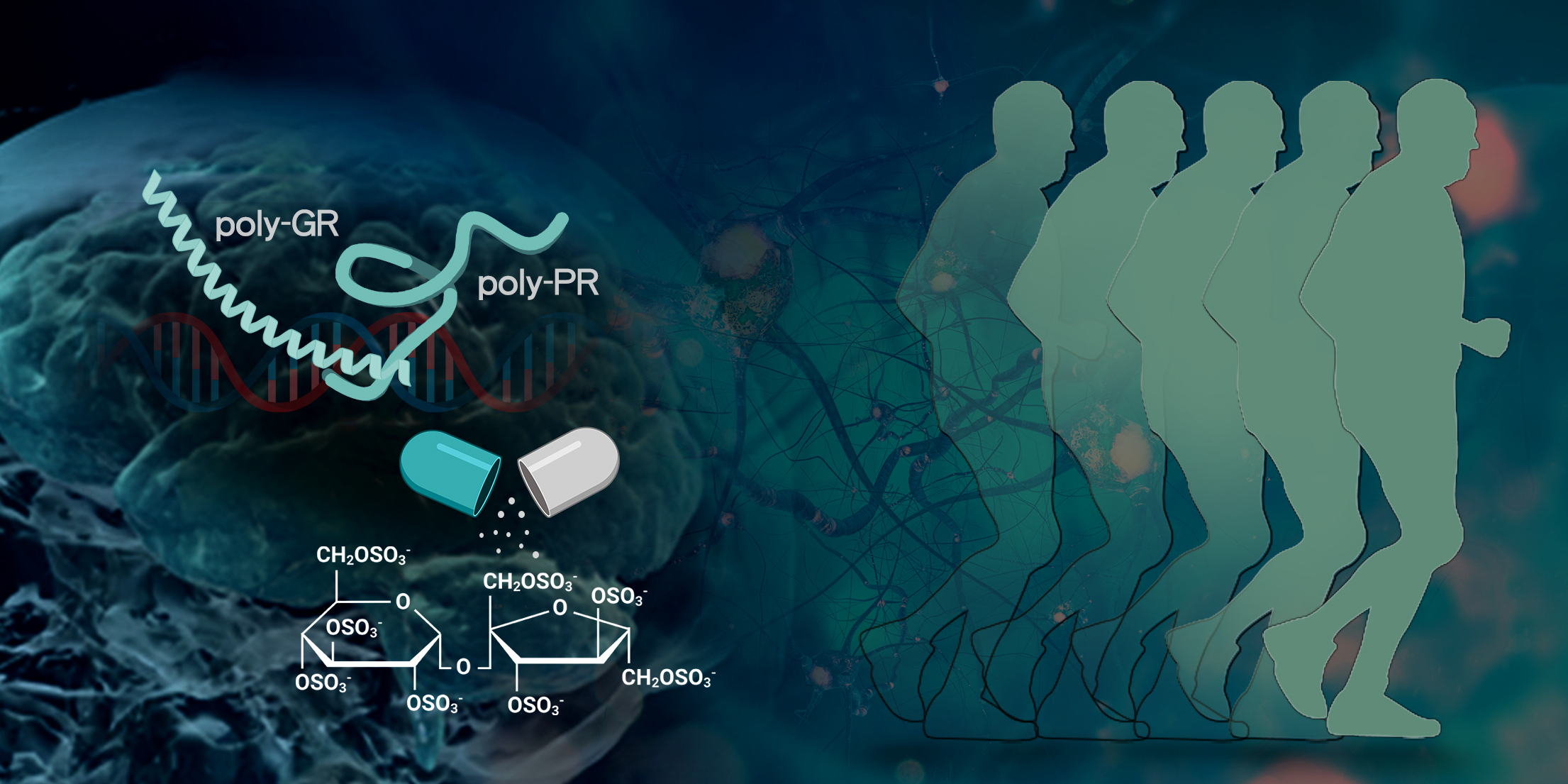
Sulfated Disaccharides Repair Toxic Protein Gain-of-Function, a New Approach to Treatment of Amyotrophic Lateral Sclerosis
As normal cells undergo abnormal proliferation, morphological changes, and eventually transform into cancer, there is a transitional phase known as "precancerous lesions" in pathology. Pancreatic Intraepithelial Neoplasia (PanIN) is the most common and earliest form of precancerous lesion in pancreatic cancer. Current literature indicates that over 90% of PanINs and pancreatic cancer cases exhibit mutations in the KRAS gene. However, can the mutation of the KRAS gene alone drive the early formation of PanINs? Certainly, "there is more than one truth."
-
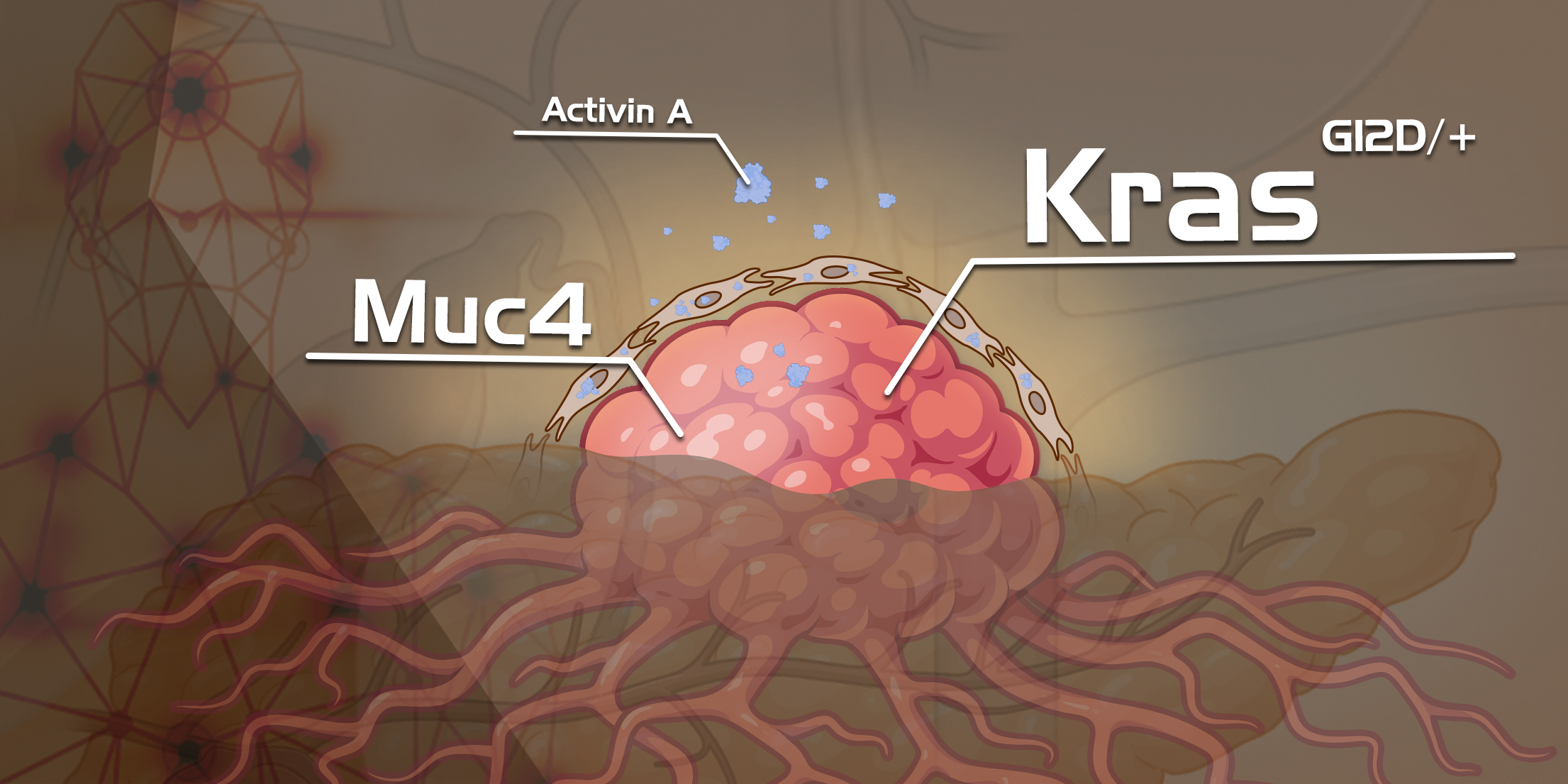
Unveiling the Mystery of Cancer-Causing KRAS Gene Driving Pancreatic Precancerous Lesions
As normal cells undergo abnormal proliferation, morphological changes, and eventually transform into cancer, there is a transitional phase known as "precancerous lesions" in pathology.
-
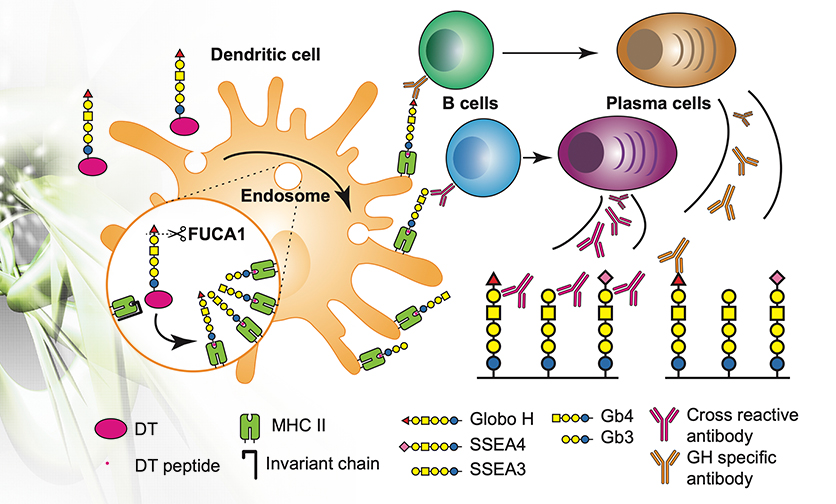
Unveiling Antigen Presentation and Cross-reactive Antibody Response of an Oligosaccharide-conjugate Vaccine, Paving the Way for Advanced Cancer Vaccines
Cancer has been a major threat to human health and the number one cause of death. In addition, the healthcare spending in cancer has been the largest among all diseases.
-
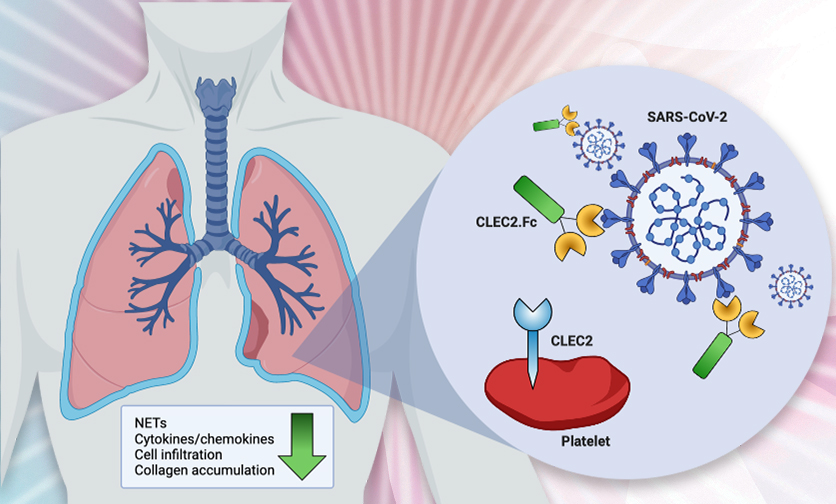
Inhibition of SARS-CoV-2-mediated thromboinflammation by CLEC2.Fc
With the rampant spread of the novel coronavirus (SARS-CoV-2) worldwide, it has caused severe inflammation and even death in COVID-19 patients.
-
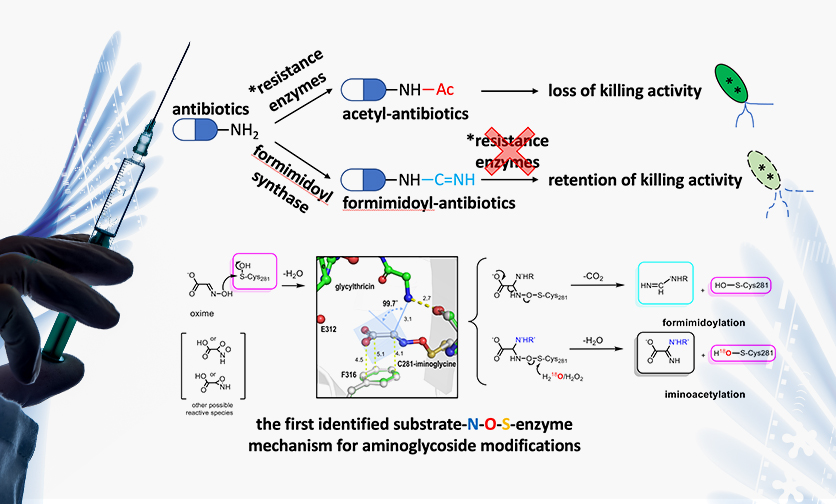
N-Formimidoylation/-iminoacetylation modification in aminoglycosides requires FAD-dependent and ligand-protein NOS bridge dual chemistry
Aminoglycoside antibiotics are essential drugs used in the clinical treatment of bacterial infections. These antibiotics work by binding to bacterial ribosomes, thereby inhibiting protein production.
-

-
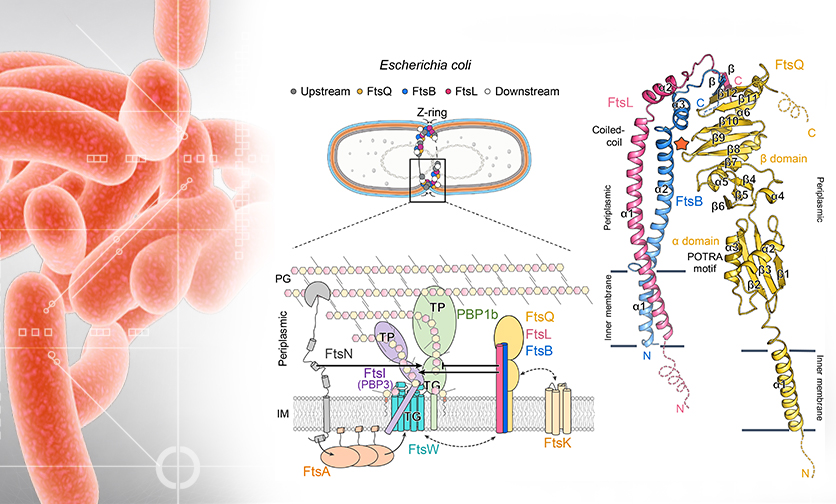
Structure of the heterotrimeric membrane protein complex FtsB-FtsL-FtsQ of the bacterial divisome
Among many strategies in pursuit of new antibiotics for treating resistant bacterial infections, one important approach is to identify and exploit novel targets for the development of new inhibitors.
-

Inducing PODXL overexpression breaks a new milestone in the efficiency of interspecies chimerism in 8-cell embryos
Considering factors such as human immune rejection, limited organ donations, and restrictions on their preservation methods, organ transplantation has been in a state of short supply globally.
-
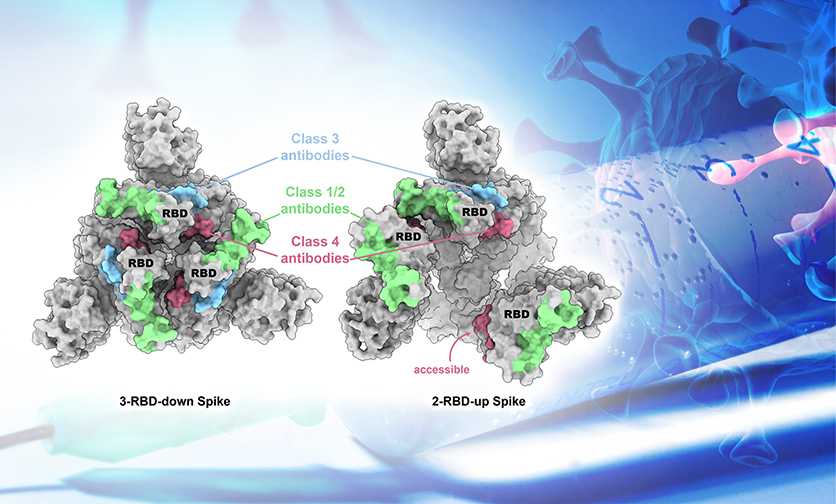
Structural basis for a conserved neutralization epitope on the receptor-binding domain of SARS-CoV-2
The COVID-19 pandemic seems to be fading away from our daily life, but the threat of a recurring circulation of new variants still haunts.
-

The circles Part II: investigating causal relationship between genetic variants and circular RNA expression in autism
Autism spectrum disorder (ASD) is a pervasive neurodevelopmental and heritable complex disorder characterized by limited social communication, restricted and ritualized interests, and repetitive behavior [Mendelian Inheritance in Man (MIM) 209850].
-
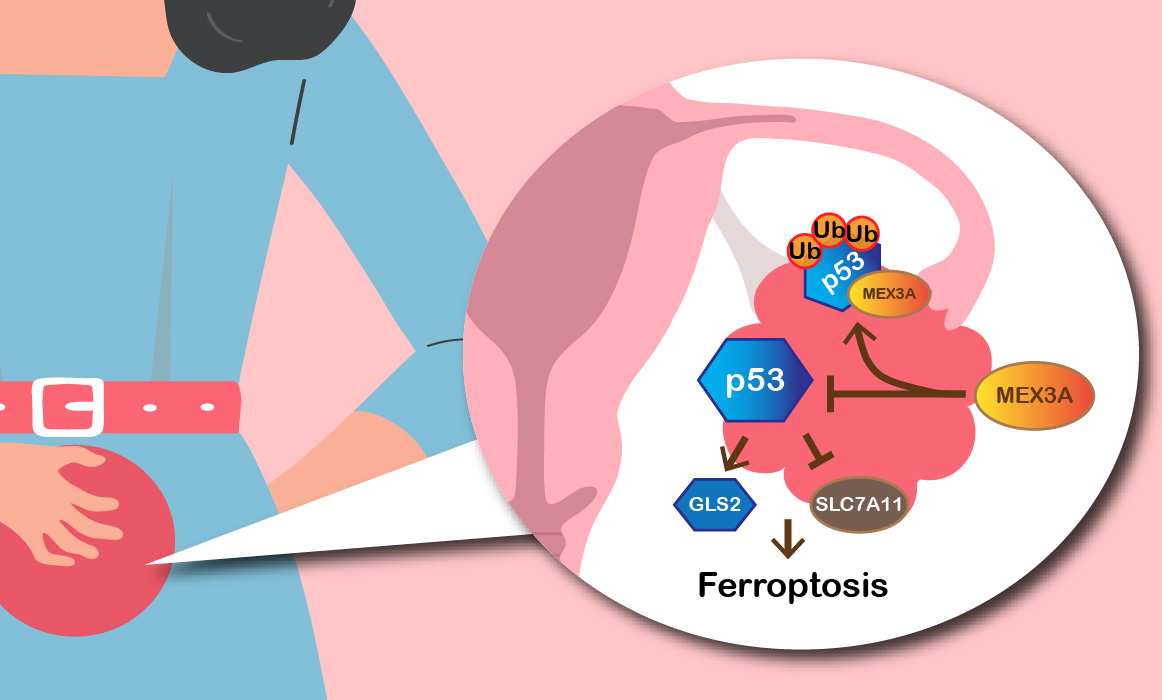
MEX3A mediates p53 degradation to suppress ferroptosis and facilitate ovarian cancer tumorigenesis
Among gynecological cancers, ovarian cancer (OC) has received less attention compared to breast cancer and cervical cancer.
-
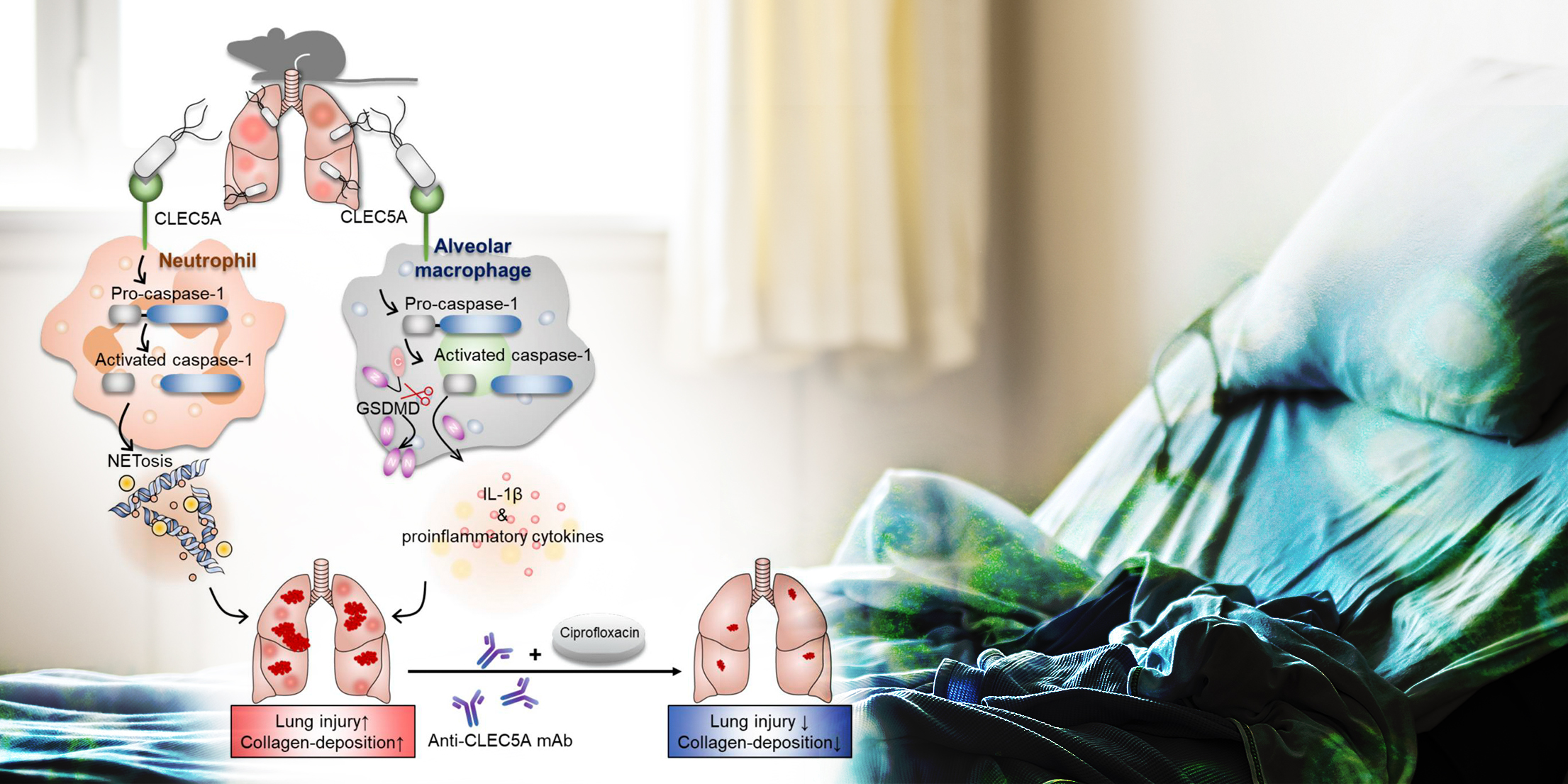
New direction for the treatment of Pseudomonas aeruginosa infection combination of anti-CLEC5A monoclonal antibody with antibiotic
Pseudomonas aeruginosa is one of the most common pathogens for nosocomial infections worldwide.