
News
-
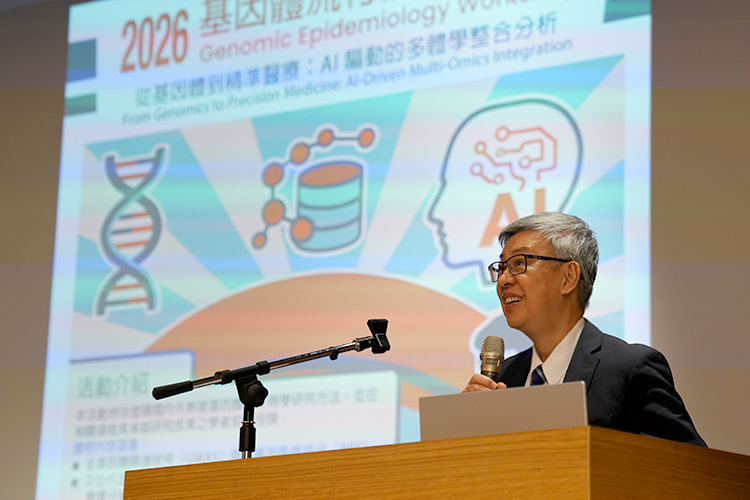
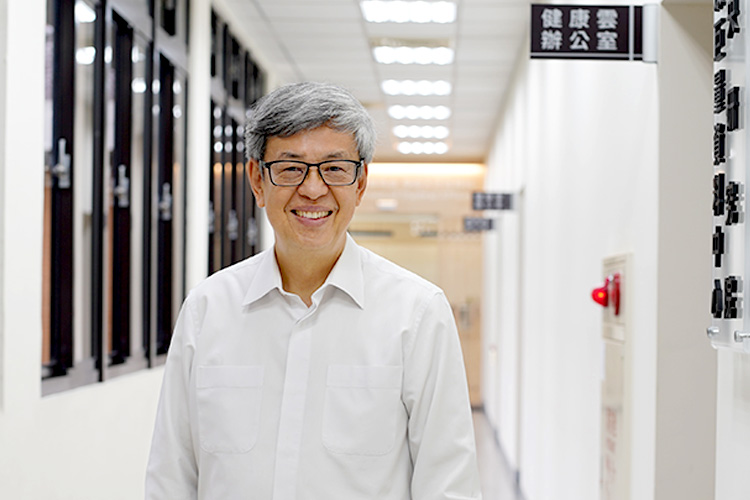
Academician Chen Chien-Jen Appointed as the 13th President of Academia Sinica
President Lai Ching-Te appointed Academician Chen Chien-Jen as the 13th President of Academia Sinica on January 2. His term of office will run from June 21, 2026, to June 20, 2031.
-
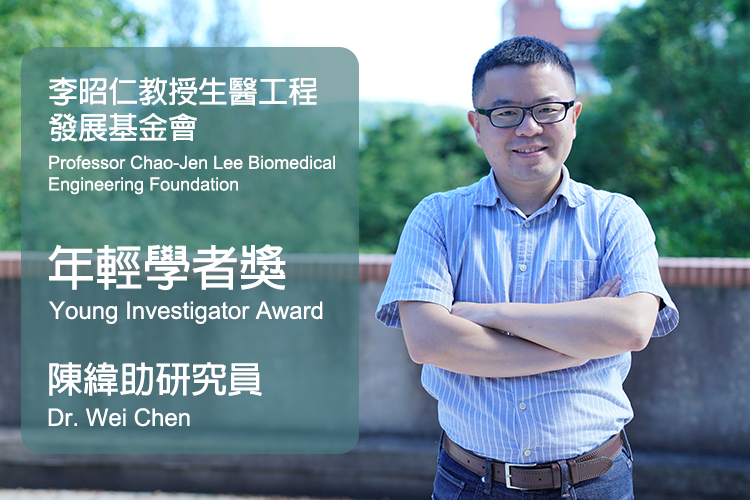
Prof. Wei Chen’s Lab Awarded the 2025 Moderna Taiwan mRNA Innovation Award
Dr. Wei Chen’s lab has been dedicated to research in mRNA nanomedicine, immune cell engineering, and drug delivery technologies, pioneering innovative therapeutic strategies for cancer. His group’s work is distinguished by its forward-looking vision, strong innovation, and high translational potential, which has led to this recognition and award.
-
Genomics Research Center faculty participated in the Academia Sinica-UK bilateral research exchange events
Drs. Chih-Hao Lee, Wei Chen, Chih-Hao Wang and Sung-Jan Lin (joint appointment) were among the 10 members of the Academia Sinica delegation to visit the King’s College School of Cardiovascular and Metabolic Medicine and Sciences (SCMMS) in London, UK on 10/13/2025.
-
Unveil New Clinical Applications of Hepatitis B Surface Antigen Quantification
Breakthrough from Academia Sinica & NTUH: Studies in Gut & Hepatology show HBsAg levels reshape HBV cure criteria & risk stratification.
-
Prof. Wei Chen Awarded the “Nanoscale Emerging Investigator” Honor by the Royal Society of Chemistry (UK)
Dr. Wei Chen has been recognized for his outstanding contributions and research excellence in nanomedicine and drug delivery technologies, particularly for pioneering innovative approaches to the treatment of cancer, cardiovascular diseases, and inflammatory disorders.
-
Scientists Crack the Code of a Cancer-Related Enzyme, Opening Doors to New Treatments
Cancer remains a global health challenge, with approximately 20 million new cases and 9.7 million deaths reported in 2022 by the International Agency for Research on Cancer. Two exciting new studies published in the Journal of the American Chemical Society are shedding light on an enzyme called beta-1,3-galactosyltransferase 5 (β3GalT5), which plays a critical role in producing sugar molecules tied to cancer progression.