
News
-
-

Academia Sinica–NHRI 20-Year Follow-up Study Reveals Sevenfold Increase in Breast Cancer Risk from Combined Phthalate Exposure, Metabolic Susceptibility, and Early Menarche Age
Breast cancer has long been the most common cancer among women in Taiwan and in many developed countries, with a recent trend toward younger onset. A research team led by Academician Chien-Jen Chen, Distinguished Research Fellow at the Genomics Research Center of Academia Sinica, in collaboration with the National Health Research Institutes (NHRI) and several universities in Taiwan, has completed a large-scale, 20-year study on breast cancer risk assessment. The findings were published in the Proceedings of the National Academy of Sciences (PNAS) in March 2026.
-
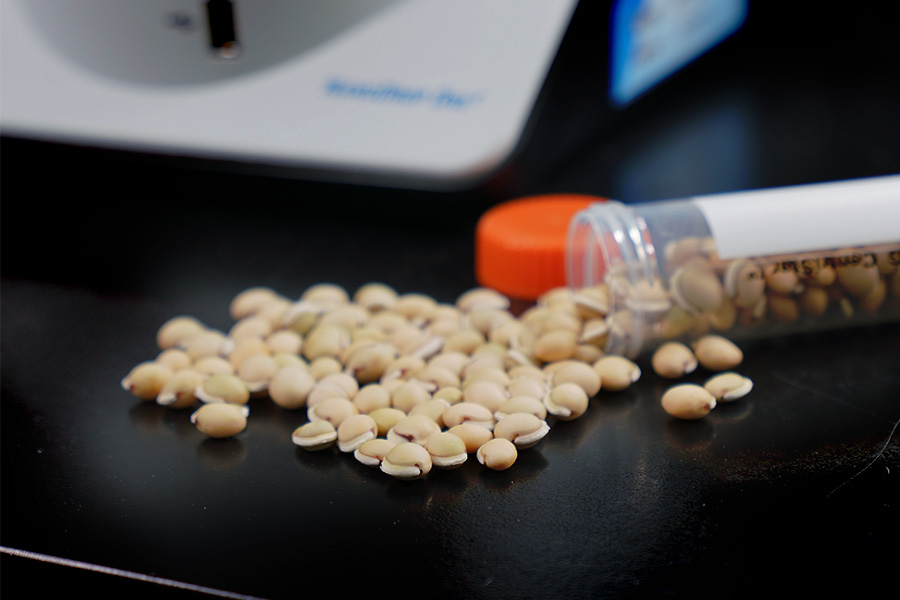
Researchers at GRC find a way to produce active legume lectins, and alter their ability to bind different sugars
Legume lectins are proteins produced by plants in the bean family that binds to sugars, and are often used by the plant for self-defense or signaling. Some legume lectins, like ricin, are incredibly poisonous while others, like ConA, have an array of biomedical properties that make them powerful tools in glycobiology and medicine.
-
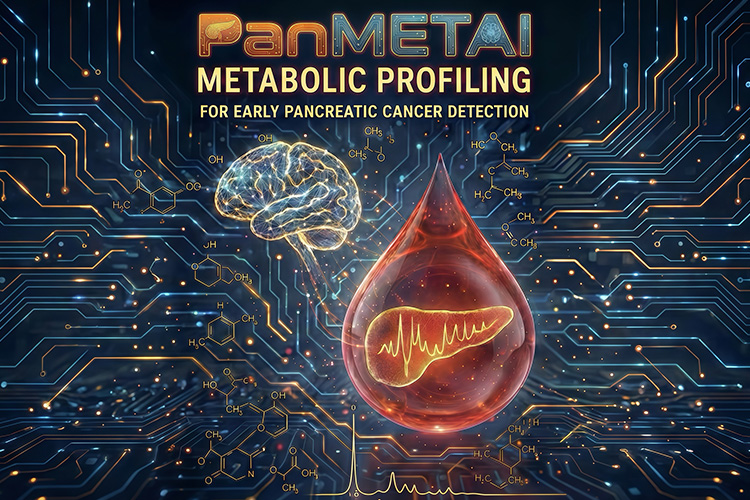
Academia Sinica and NTU Hospital Jointly Develop PanMETAI: A Revolutionary AI Metabolomics Platform
After twenty years of dedicated research, a cross-disciplinary team from Academia Sinica and National Taiwan University (NTU) Hospital has announced a major breakthrough in oncology.
-

-
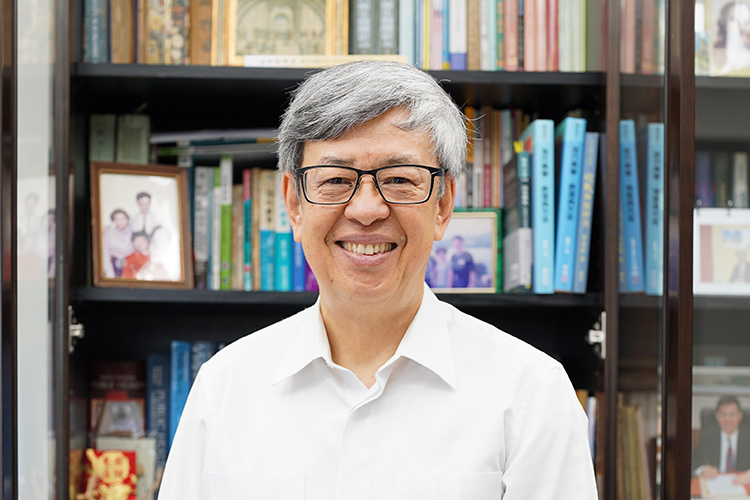
Academician Chen Chien-Jen Appointed as the 13th President of Academia Sinica
President Lai Ching-Te appointed Academician Chen Chien-Jen as the 13th President of Academia Sinica on January 2. His term of office will run from June 21, 2026, to June 20, 2031.
-
-
-
-

-
-

-
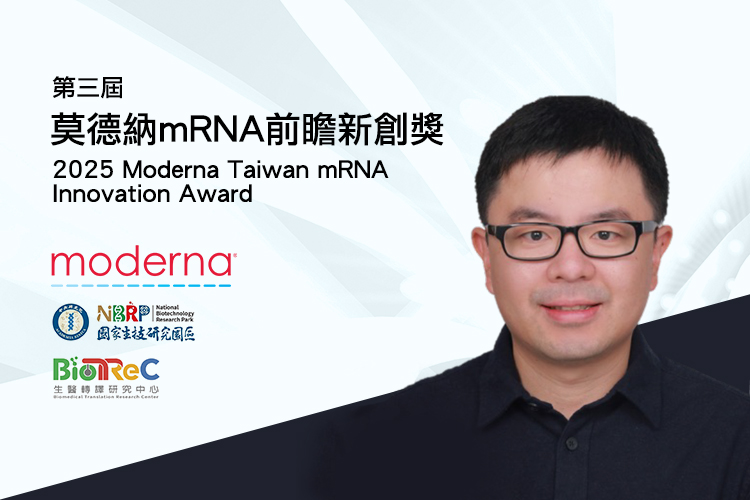
Prof. Wei Chen’s Lab Awarded the 2025 Moderna Taiwan mRNA Innovation Award
Dr. Wei Chen’s lab has been dedicated to research in mRNA nanomedicine, immune cell engineering, and drug delivery technologies, pioneering innovative therapeutic strategies for cancer. His group’s work is distinguished by its forward-looking vision, strong innovation, and high translational potential, which has led to this recognition and award.
-
-
-
-
-
-
-
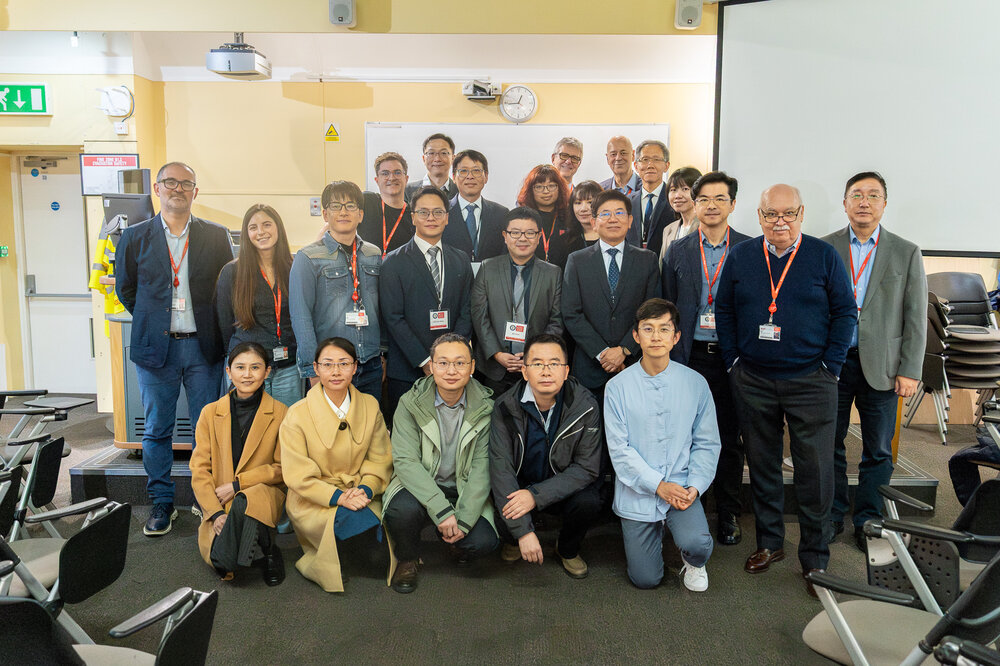
Genomics Research Center faculty participated in the Academia Sinica-UK bilateral research exchange events
Drs. Chih-Hao Lee, Wei Chen, Chih-Hao Wang and Sung-Jan Lin (joint appointment) were among the 10 members of the Academia Sinica delegation to visit the King’s College School of Cardiovascular and Metabolic Medicine and Sciences (SCMMS) in London, UK on 10/13/2025.
-
-
-

Unveil New Clinical Applications of Hepatitis B Surface Antigen Quantification
Breakthrough from Academia Sinica & NTUH: Studies in Gut & Hepatology show HBsAg levels reshape HBV cure criteria & risk stratification.
-

Prof. Wei Chen Awarded the “Nanoscale Emerging Investigator” Honor by the Royal Society of Chemistry (UK)
Dr. Wei Chen has been recognized for his outstanding contributions and research excellence in nanomedicine and drug delivery technologies, particularly for pioneering innovative approaches to the treatment of cancer, cardiovascular diseases, and inflammatory disorders.
-
-
-
-
-
-