

Cover Stories
-
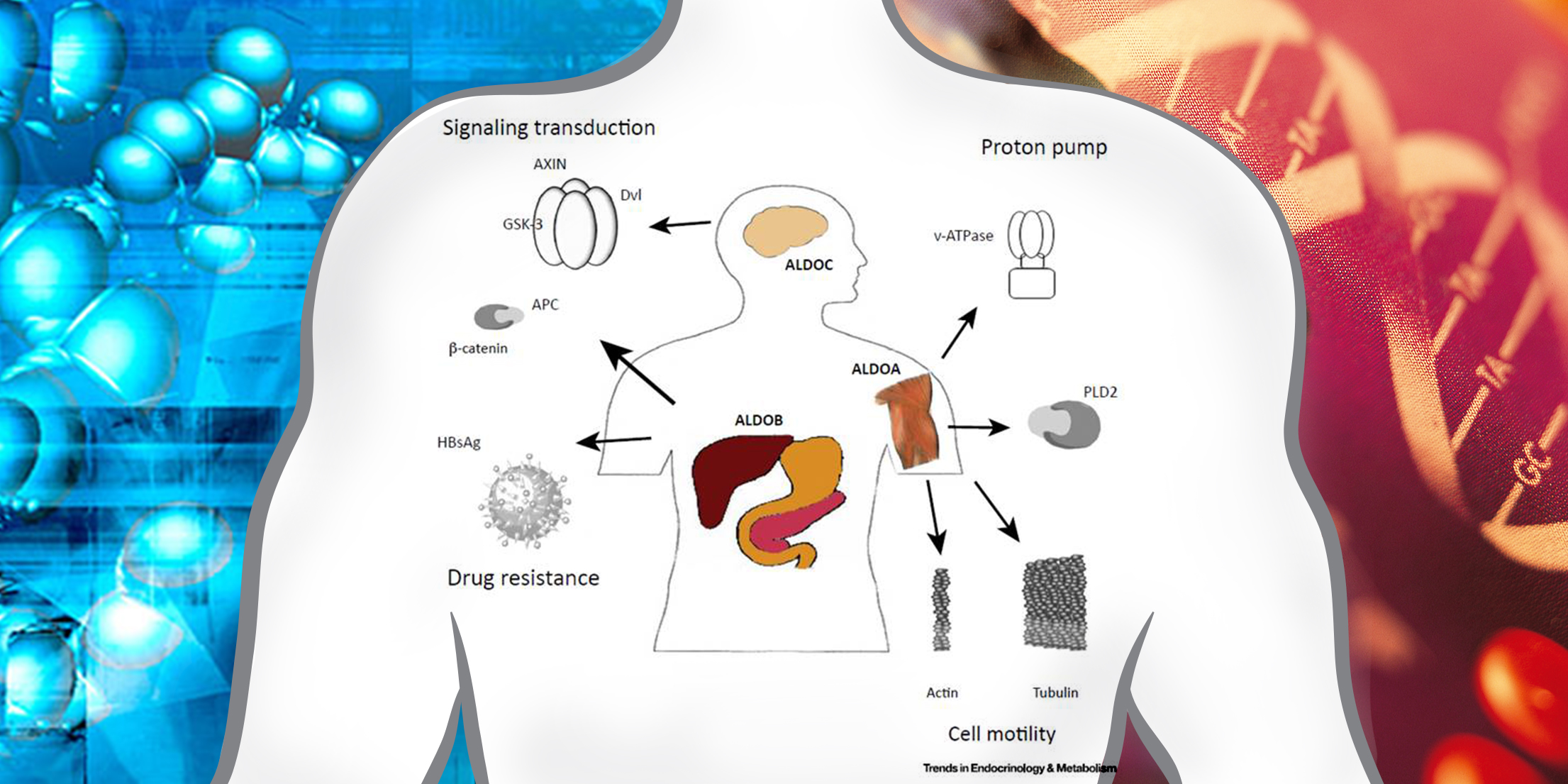
Aldolase - Metabolic Enzymes with Great Potentials for Cancer Theraputics
The metabolic network plays an important role in homeostasis, which is a nature’s way of keeping everything balanced inside our bodies. In recent years, it has been discovered that within cancerous cells, the metabolic network is somehow tweaked.
-

Collaborative Review Details Making Carbohydrates with “One-Pot” Strategies
As one of the important classes of organic molecules, carbohydrates are considered a class of sophisticated and mysterious kind. As more and more brave pioneers tapped into this unknown region, various glyco-molecules, glyco-proteins and glyco-lipids are found to play important roles in cell growth and diseases, thus, the sugars that we know of, and their large related family members generally called as saccharides, are becoming intriguing research topics.
-
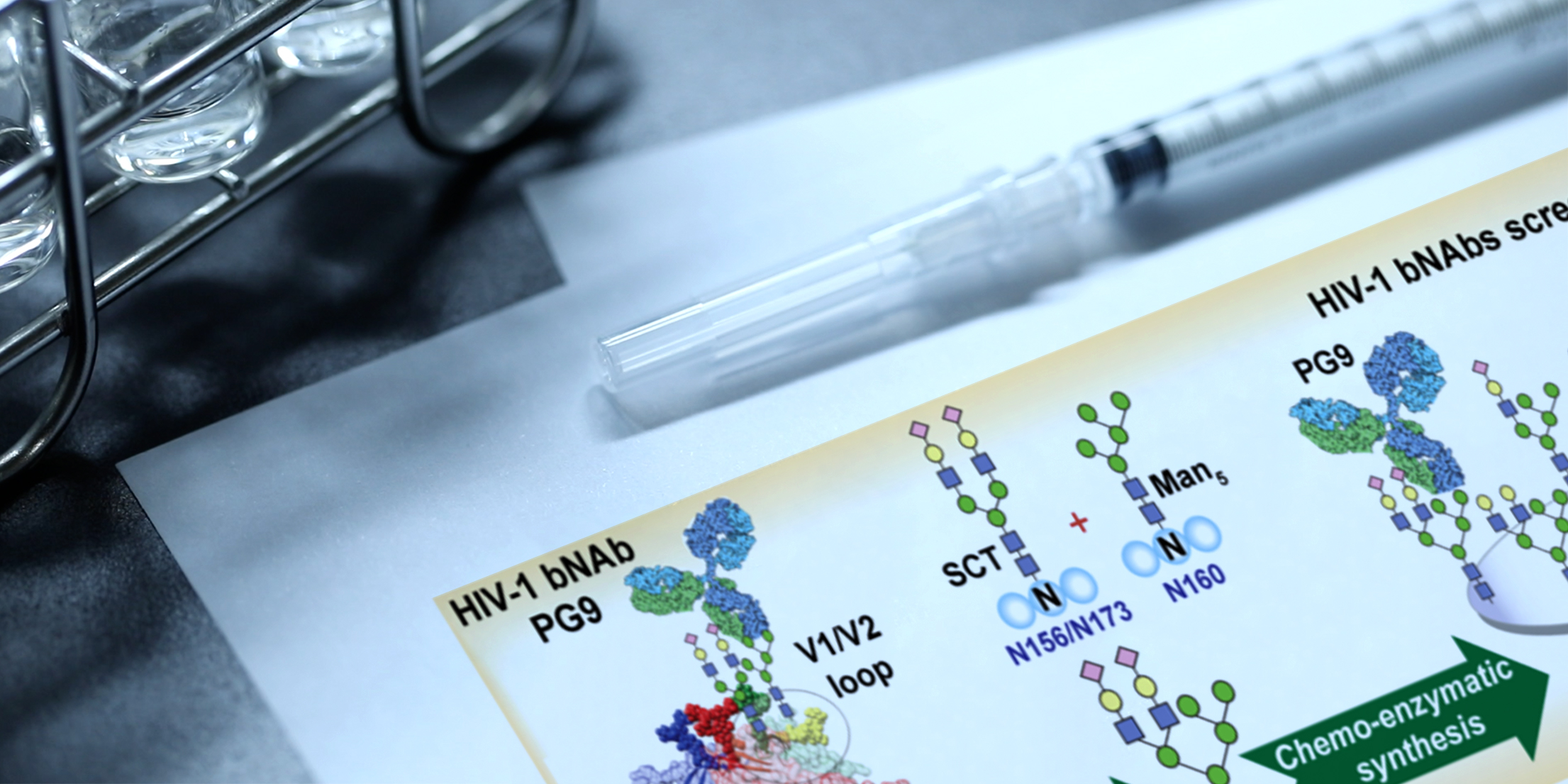
Promising HIV Vaccine Development Glycans Identified
Since the first case of AIDS was diagnosed in 1981, more than 35 million people have died from the HIV/AIDS. Based on the statistics published by the Joint United Nations Programme on HIV/AIDS (UNAIDS), there were 36.7 million HIV carriers in 2016.
-
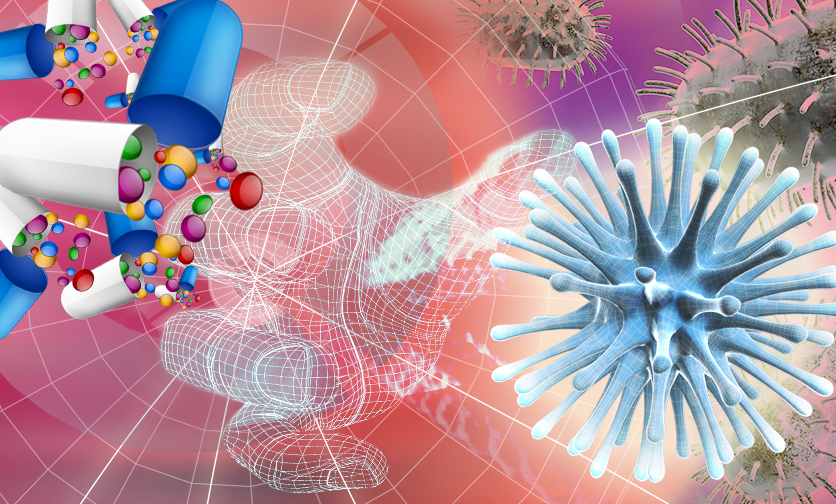
New Antibiotic Natural Products Against Various Drug-resistant Bacteria Identified
The rise of antibiotic resistance together with the lack of effective treatment has been noticed as a major threat to human health recently, mainly due to the overuse or misuse of antibiotics, and the problem is getting even worse because of global warming and increasing human contact through globalization.
-
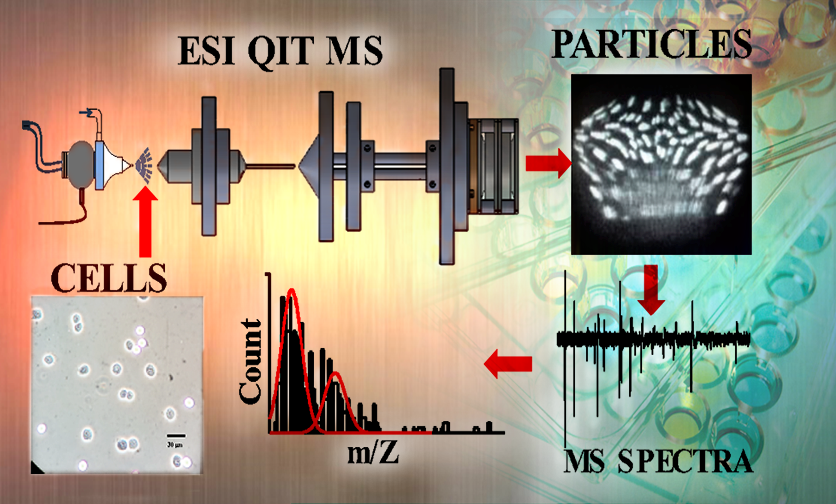
A New Mobile Device to Measure Bio-particles Rapidly
As far as health related issues, new findings and solutions of health related is-sues are popping up quicker more than ever, thanks a lot to new technologies and instruments.
-

A glycan that completes the journey of B cell
O-GlcNAcylation is a type of protein modification that is catalyzed by an enzyme called Ogt (O-GlcNAc transferase) and has been proved important during B cell activation by Lin’s group previously.
-

DcR3 is the Main Cause of Endometriosis
Menstrual cramps is not an unfamiliar matter for half of the world population. Most women, if not have experienced it, would have known it from her female friends. Although there may be various reasons of a cramp, if the pain is caused Endometriosis, one should probably not just take a pain killer and wish it’ll go away someday.
-
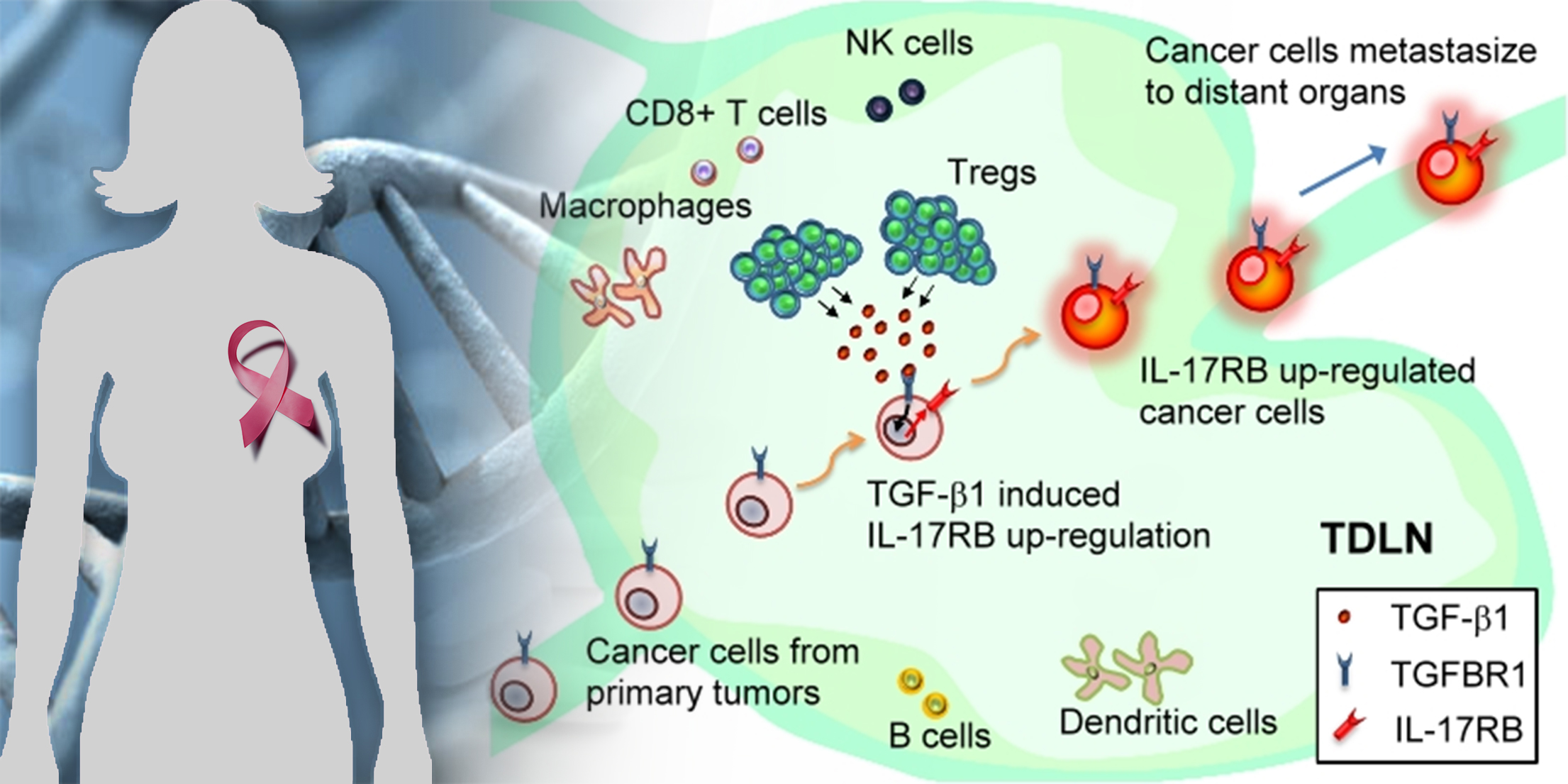
Breast Cancer Cells Empowered in Tumor-draining Lymph Nodes by Tregs
When breast cancer cells are found in the lymph nodes, it is considered an important prognostic predictor for patient survival. However, whether tumor-draining lymph nodes (TDLNs) take parts in the course of breast cancer metastasis has never been thoroughly looked at.
-
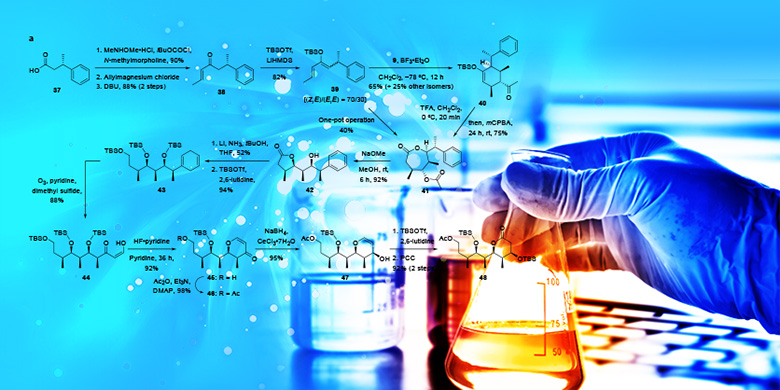
Contradictory Diels-Alder Reactions and Stereoselective “One-pot” Synthesis of Building Blocks for Antibiotics
To date, antibiotics are still the most effective weapon for treatment of bacterial infec-tions in clinic. By looking into the molecular structures of antibiotics closely, most of them have a core structure that is referred to as “Polypropionates” or “Skipped Pol-yols” with multiple consecutive carbon chiral centers.
-
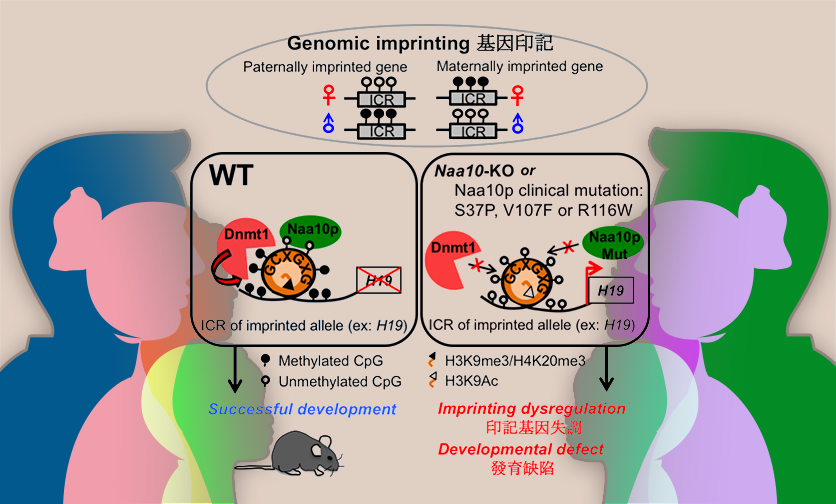
Role of N-α-acetyltransferase 10 Protein in DNA Methylation and Genomic Imprinting
Genomic imprinting, a parental allele-specific gene expression phenomenon, is caused by allelic DNA methylation of imprinting control regions (ICRs) [also known as differentially methylated regions (DMRs)] and plays an important role in development as defects in genomic imprinting often result in developmental defects.
-
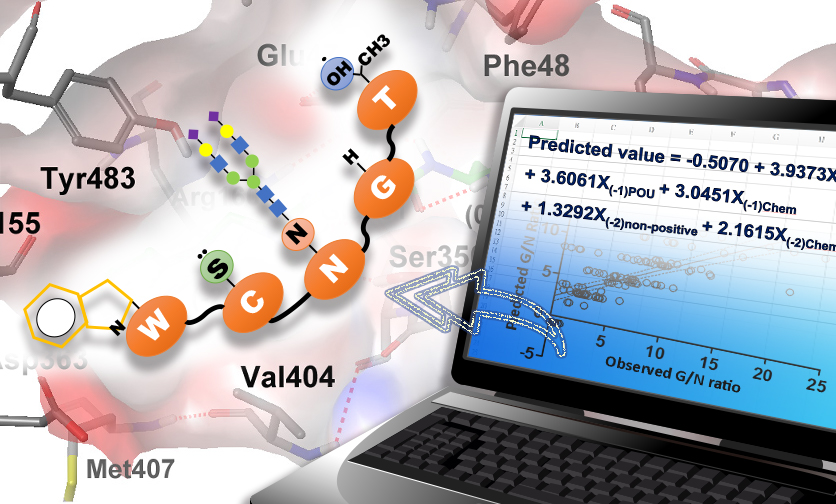
Predicting Pentapeptide Sequon to Ensure Protein Glycosylation
More than 50% of human proteins are glycosylated. The glycans linked to asparagine (N) are called N-linked glycans, which are important co-/post-translational modifications regulating structures and functions of glycoproteins, and closely related to the development of protein drugs.
-
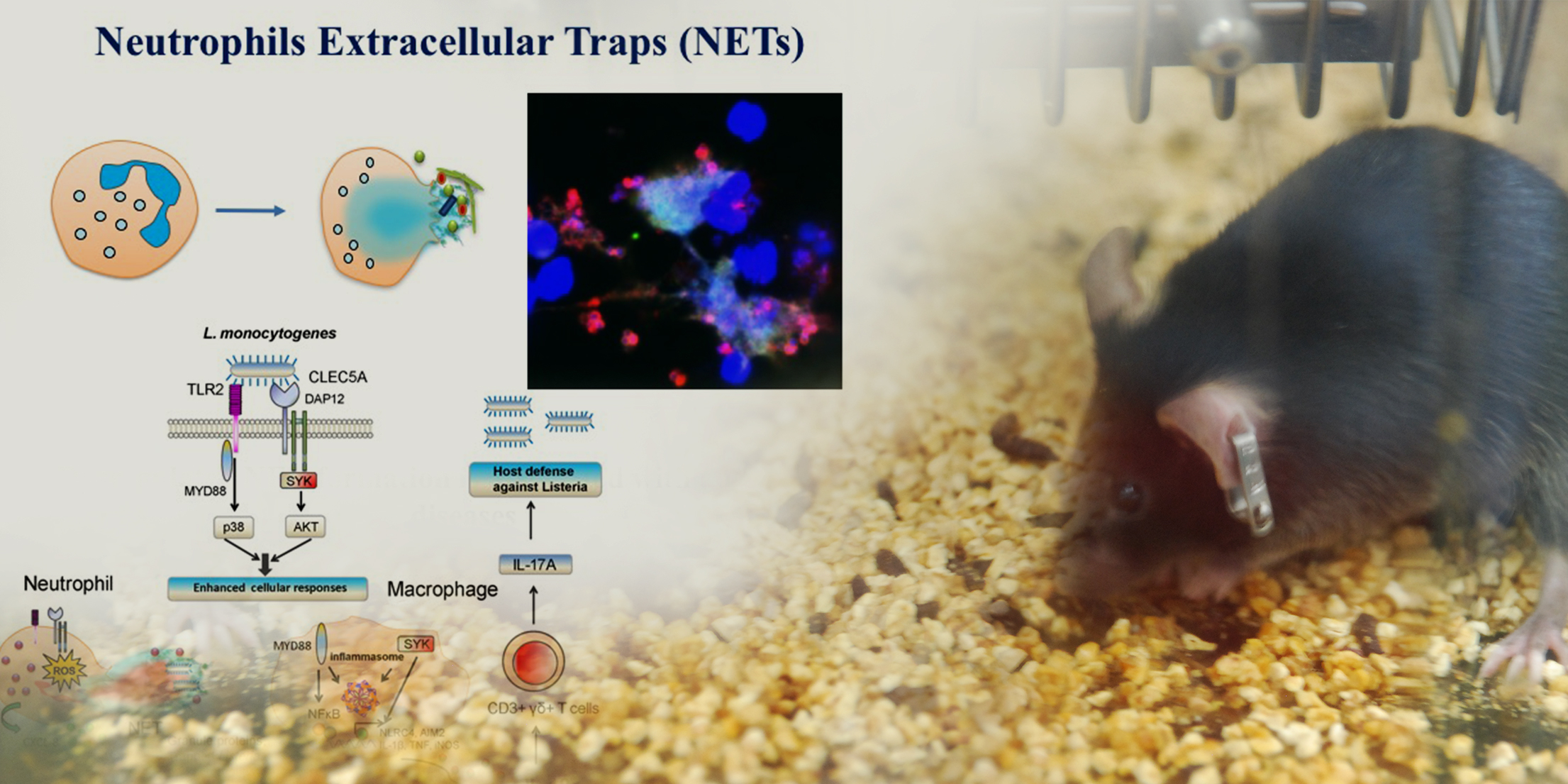
CLEC5A proved to be a key player that triggers NET formation (NETosis) after bacterial infections
Years of CLEC5A study has successfully proved its heavy involvement in inflammation of Dengue fever and Avian flu patients, and is the lethal factor in dengue hemorrhagic shock syndrome.