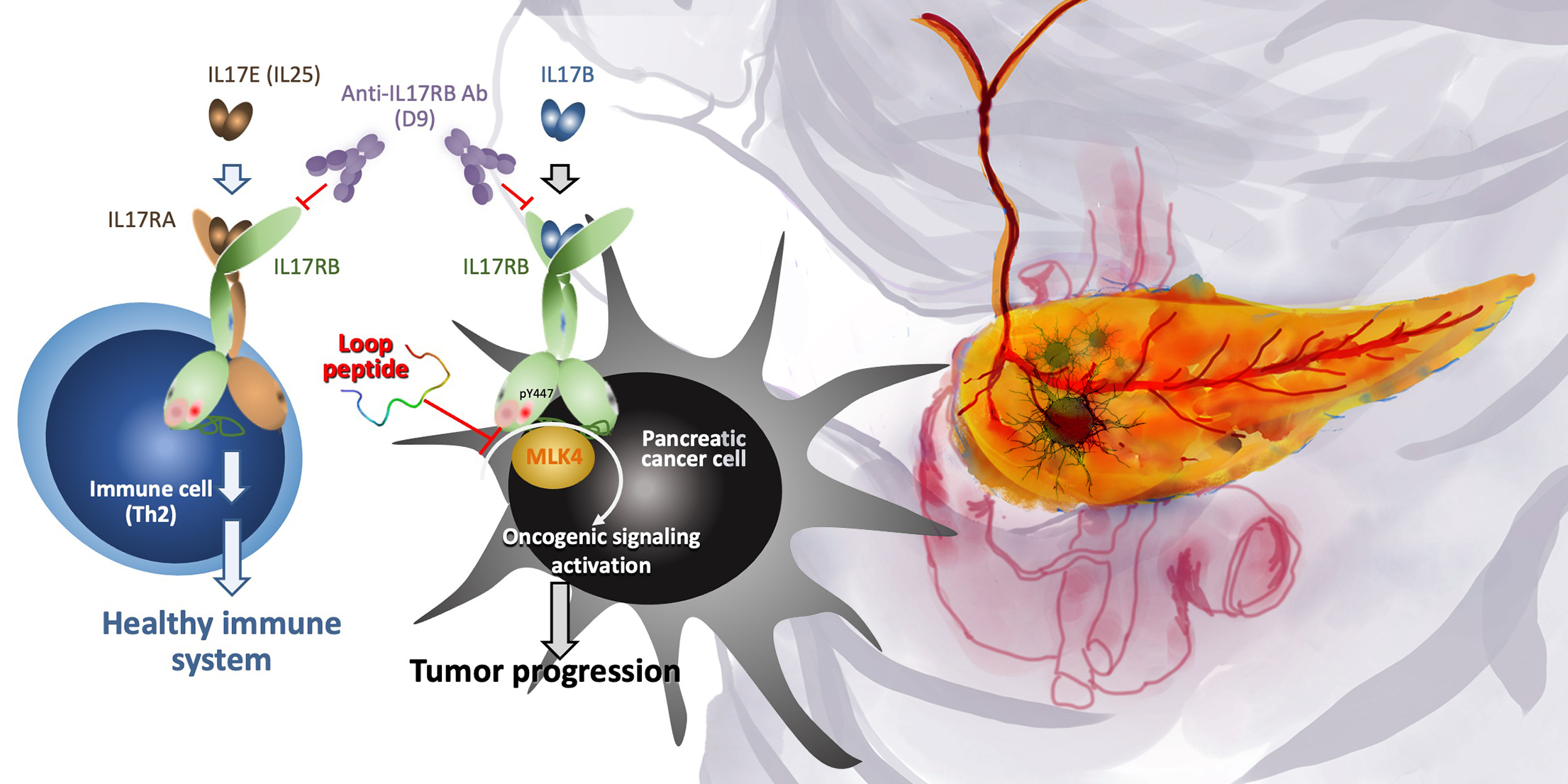

Cover Stories
-
-
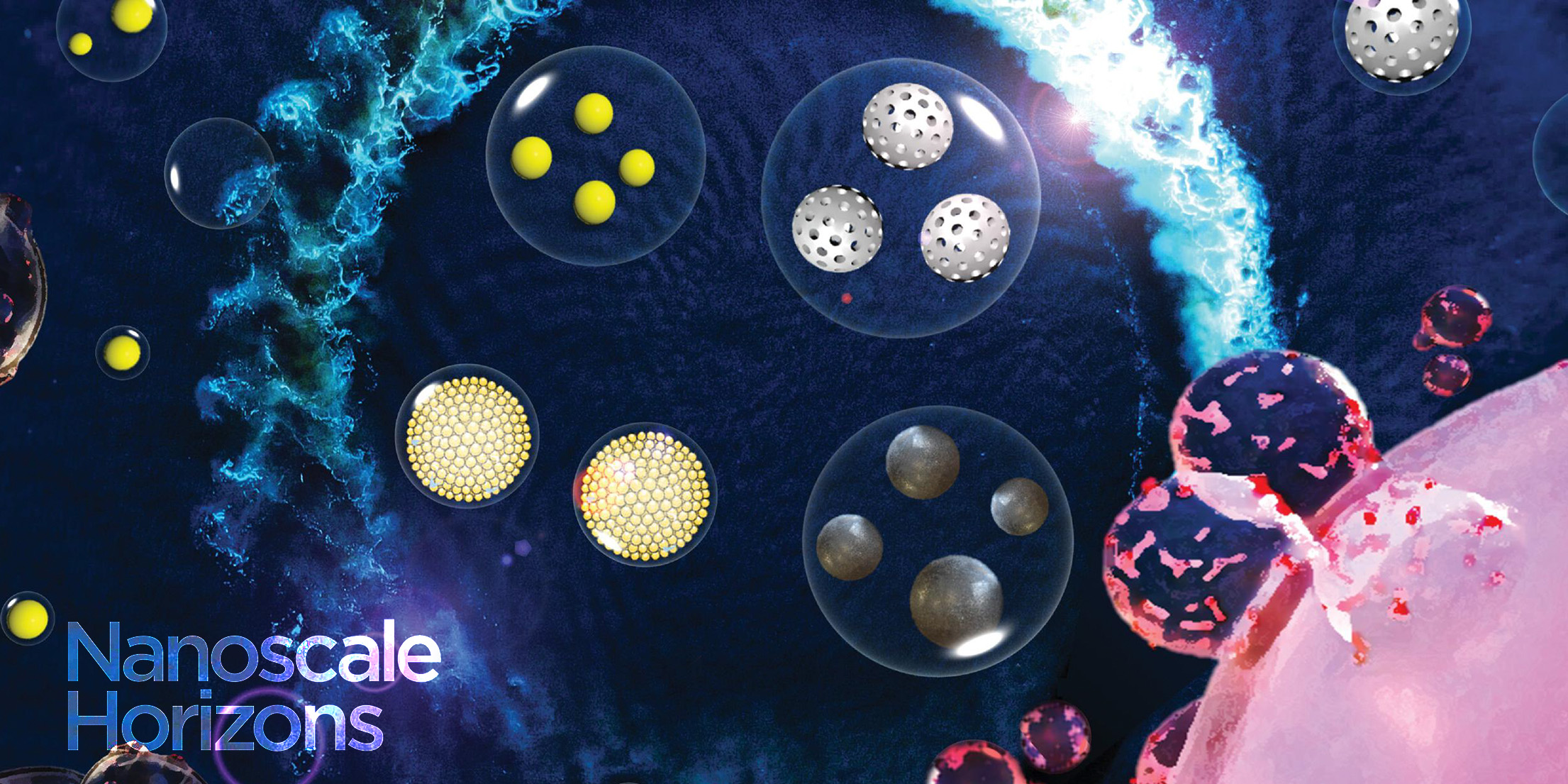
The critical point to treatment from the inside out: hybrid inorganic/organic nanoparticles with exosomes for cancer treatment
Since James E. Rothman, Randy W. Schekman, and Thomas C. Sudhof won the Nobel Prize in 2013 for revealing intracellular vesicles’ transport regulation mechanism, such as exosomes, which initially believed the primary function was only exosomes that transport cellular waste.
-
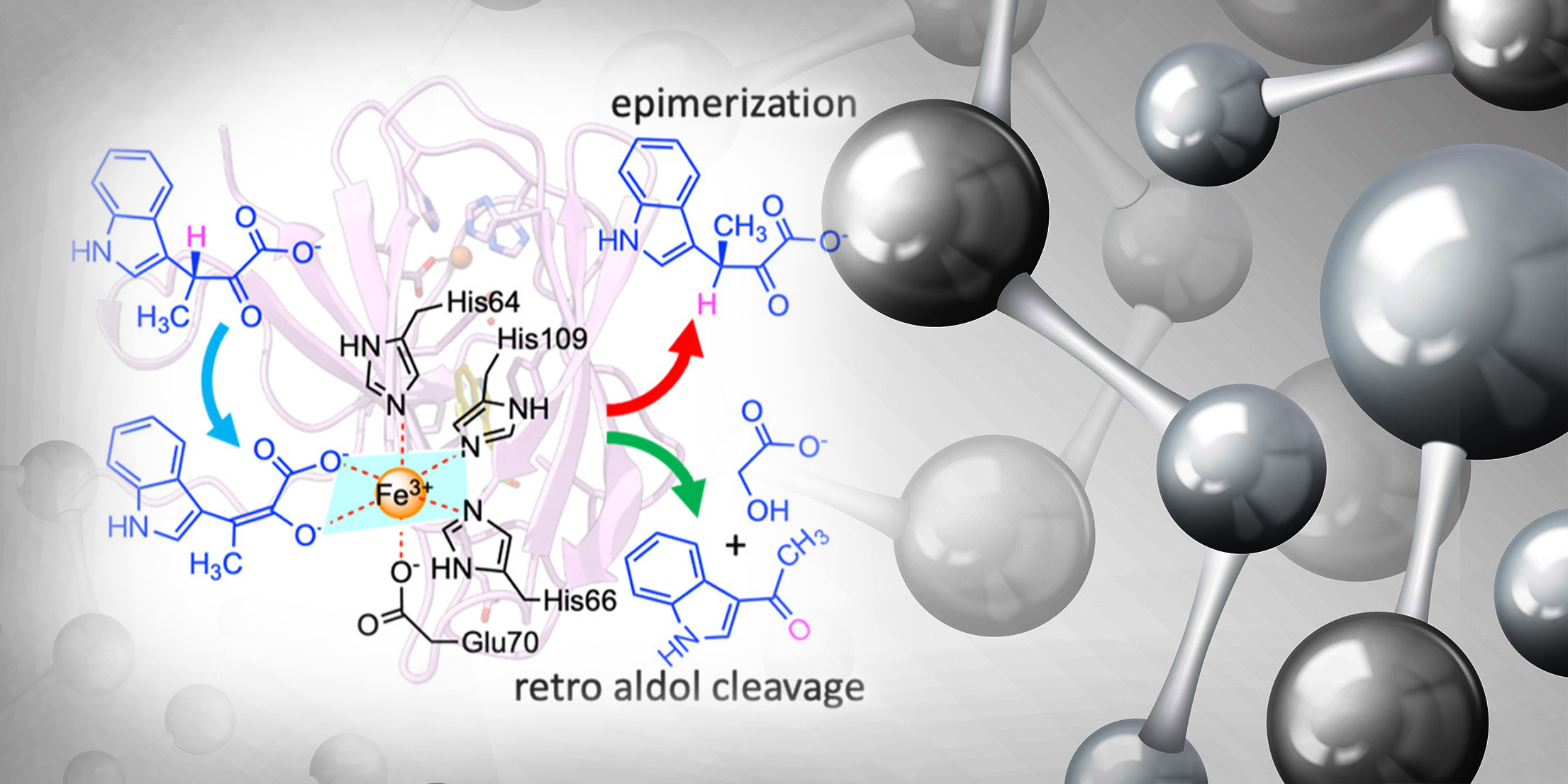
Learning from nature: StnK3 is the epimerase controlling β-methyl amino acid stereochemistry
Natural products are a significant source of structurally diverse bioactive compounds for pharmaceutical, cosmetic, and food applications. Bioactive compounds often carry desired biological activities, such as anti-inflammation, anticancer, analgesics, and pain killing.
-
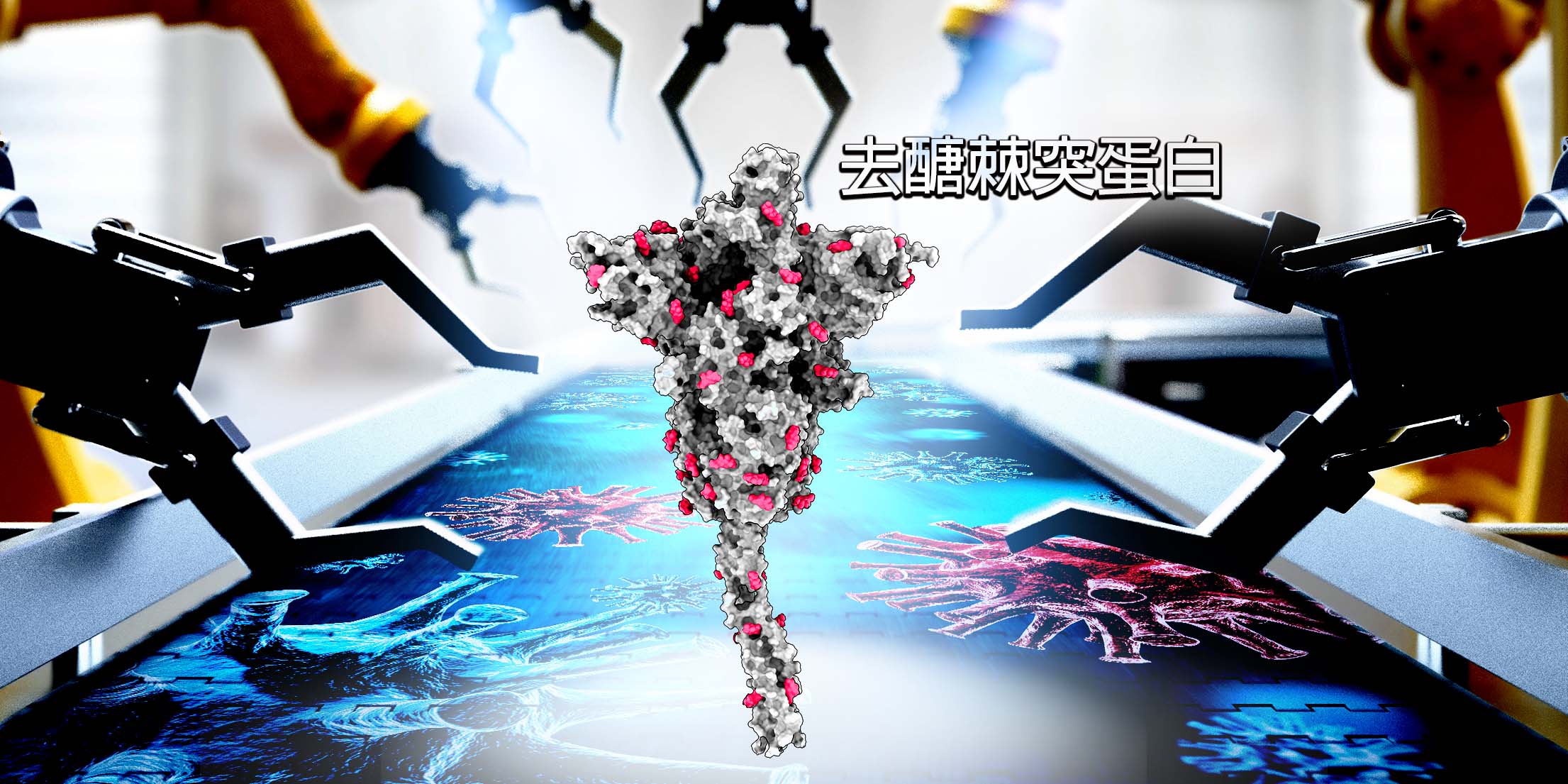
Mono-GlcNAc-decorated spike vaccine is highly effective against COVID-19 variants
Coronavirus disease 2019 (COVID-19) caused by severe acute respiratory syndrome coronavirus 2 (SARS-CoV-2) has resulted in more than 440 million confirmed cases and over 6 million deaths so far. Although there are COVID-19 vaccines available, viruses constantly change through mutations. Key questions remain about how quickly the variants can spread, their potential to evade immunity and how effective the vaccines are against the variants.
-
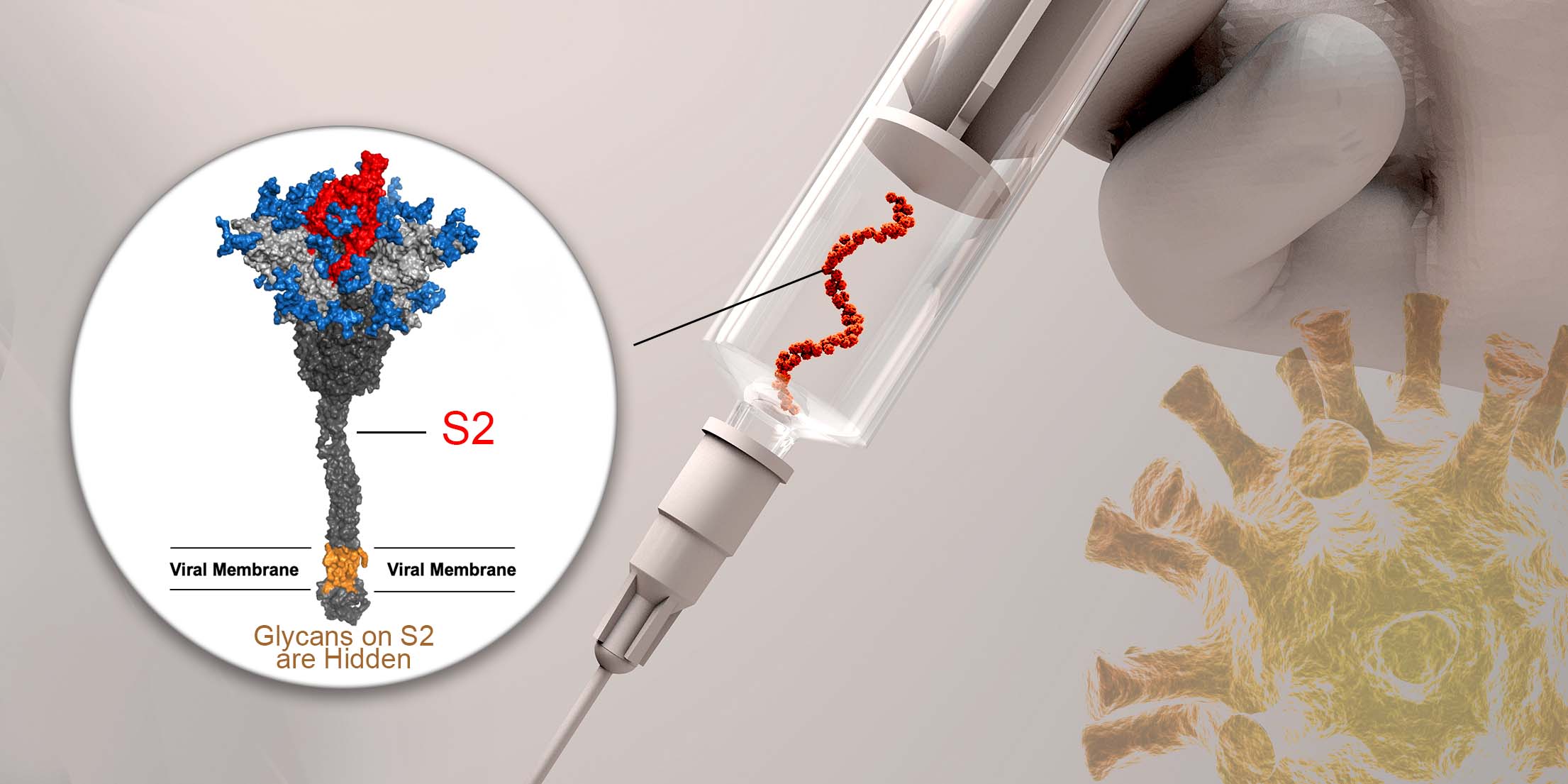
mRNA vaccine of SARS-CoV-2 spike protein with deletion of multiple glycosites is broadly protective against variants of concern
Since the outbreak of severe acute respiratory syndrome coronavirus-2 (SARS-CoV-2) in December 2019 that caused Coronavirus Induced Disease 2019 (COVID-19), the virus has spread all over the world and caused more than 411 million infections and 5.8 million deaths in 25 months. Vaccination is an effective strategy to control the spread of SARS-CoV-2, and the protective antibodies induced by the vaccine are known to recognize the viral surface spike (S) protein and primed the T cell response. However, current vaccines may lose their efficacy because of the high mutation rate of SARS-CoV-2. To overcome this problem, development of a universal SARS-CoV-2 vaccine with broad protection against the current and upcoming variants is needed.
-
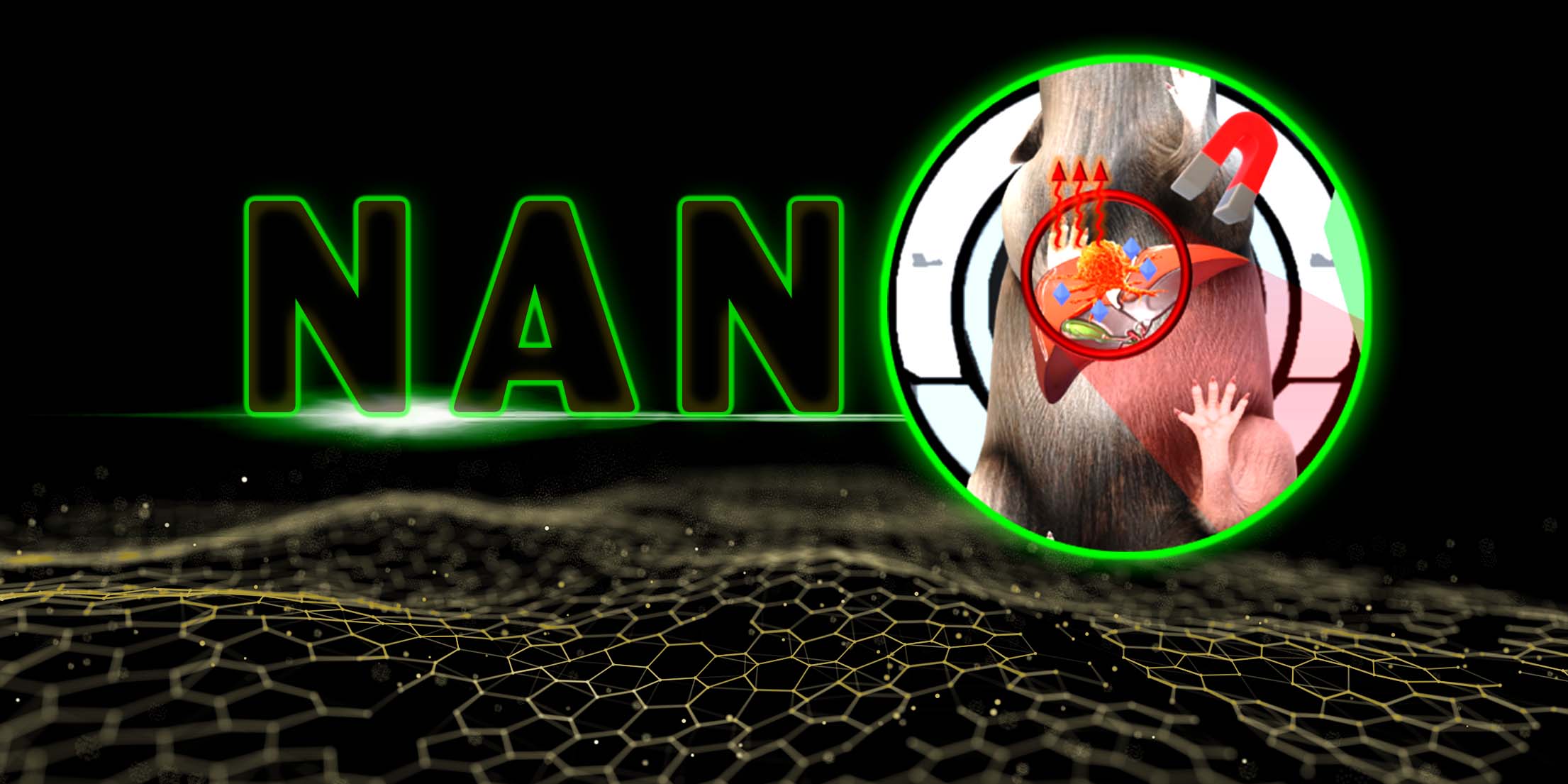
Novel MMT-based iron/platinum nanoparticles designed to enhance MRI contrast and HCC treatment
Magnetic resonance imaging (MRI) plays a pivotal role in the medical care of patients with or at risk for hepatocellular carcinoma (HCC). Clinically, there exists about a 35% chance that contrast agents will be needed to improve the image sensitivity of MRI examinations. Commonly used products are iron-based contrast agents and gadolinium-based contrast agents.
-

-
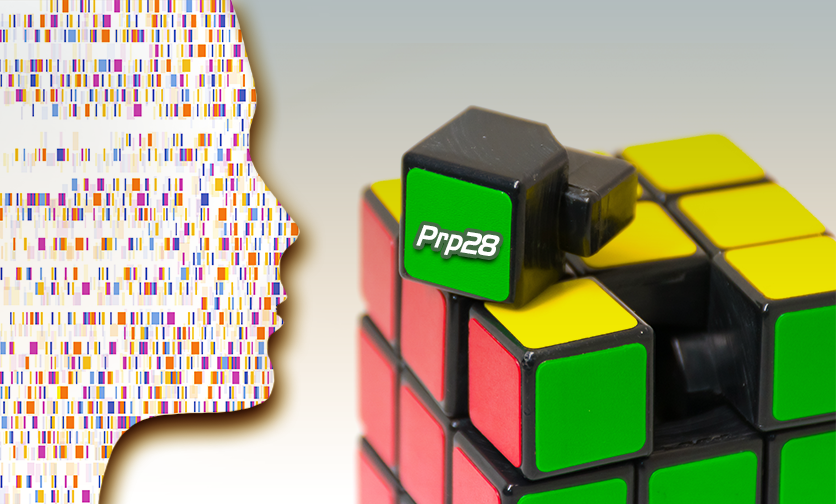
Activation of Prp28 ATPase at the Heart of Spliceosome for Spliceosomal Remodeling
Rubik’s Cube is one of the most popular 3D combinatorial games that captivates the world with its amazing complexity hidden behind the deceptively simplistic six bright colors. Remarkably, the most accomplished players can solve a completely scrambled Rubik’s Cube in less than twelve seconds. Few people, however, know that there is an equally complex Rubik’s Cube-like molecular machine in the cell. This machine is called “Spliceosome”, which must be sequentially remodeled or tweaked, just like the Rubik’s Cube, before it can be properly functioning in the gene expression pathway.
-

Anti-Siglec-3 mAb as immune checkpoint inhibitor to combat Hepatitis B infection
Hepatitis B virus (HBV) infection is a worldwide health problem. According to WHO’s report, there are over 257 million peoples globally infected by hepatitis B virus. HBV infection is prevalent in China, Taiwan, and Southeast Asia countries. Approximately 887,000 individuals die each year from HBV-related liver diseases or liver cancer.
-
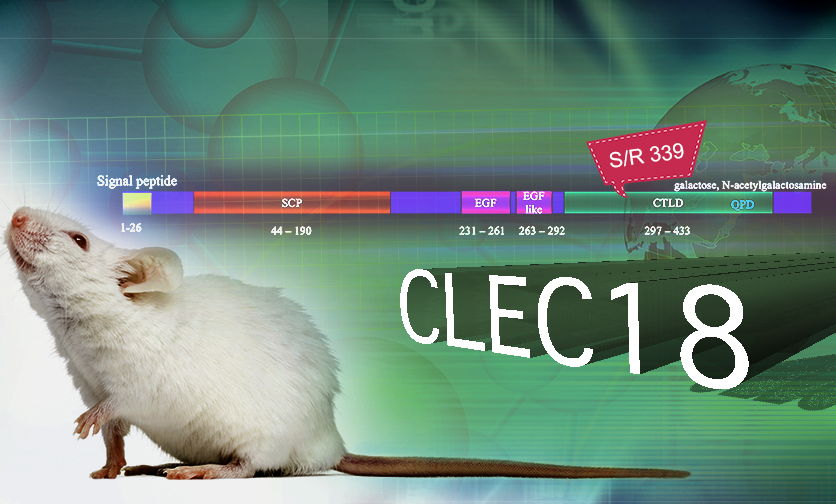
One Amino Acid Change Twice Immune Effect in CLEC18A to H5N1
CLEC18A is a member of C-type lectin family which is known to have influence over innate and adaptive antimicrobial immune responses, and its unknown biological mechanisms is to be unveiled.
-
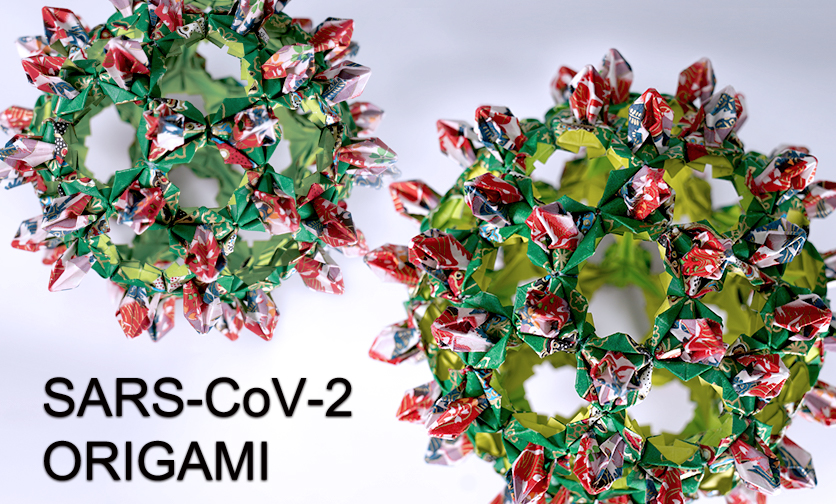
Simplified Procedure to Prepare Remdesivir for SARS-CoV-2 and Nipah Virus
After grappling with the corona virus, SARS-CoV-2, for more than a year, the world is still being haunted by Covid-19. Remdesivir is the first drug approved by the US Food and Drug Administration (FDA) to treat Covid-19. In May 2020, Taiwanese authority also approved the use of remdesivir in patients with severe COVID-19 symptoms.
-