

Cover Stories
-
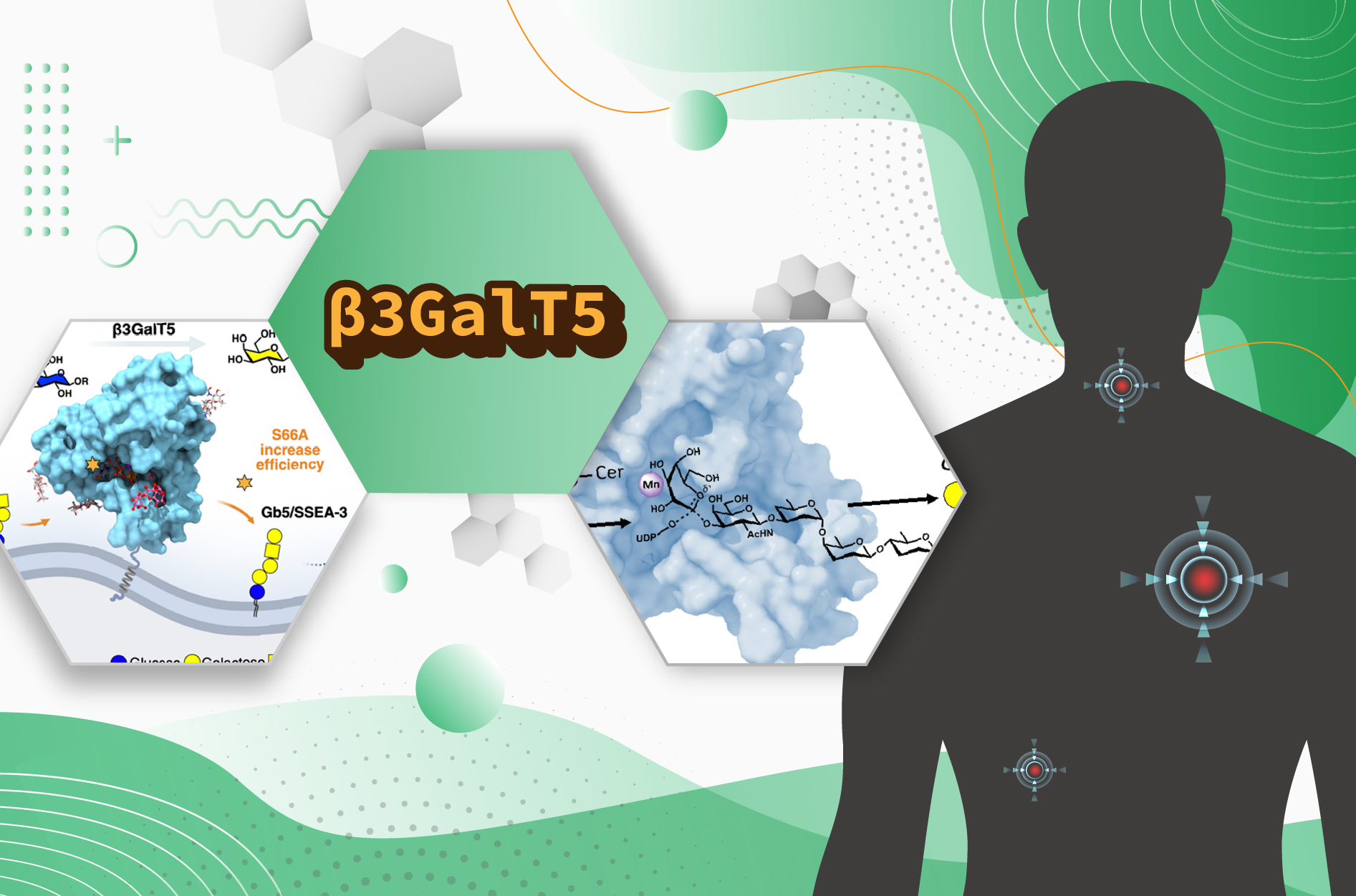
Scientists Crack the Code of a Cancer-Related Enzyme, Opening Doors to New Treatments
Cancer remains a global health challenge, with approximately 20 million new cases and 9.7 million deaths reported in 2022 by the International Agency for Research on Cancer. Two exciting new studies published in the Journal of the American Chemical Society are shedding light on an enzyme called beta-1,3-galactosyltransferase 5 (β3GalT5), which plays a critical role in producing sugar molecules tied to cancer progression.
-

-
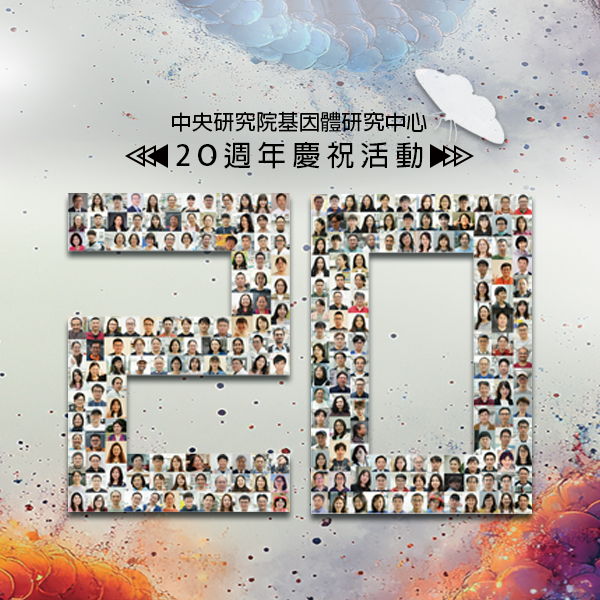
Genomics Research Center 20th Anniversary Celebration
To commemorate this milestone, GRC held its 20th Anniversary Celebration on December 11, 2024. We sincerely thank former and current GRC members, collaborators, and esteemed guests for joining us in celebrating the growth and achievements of the GRC.
-
-
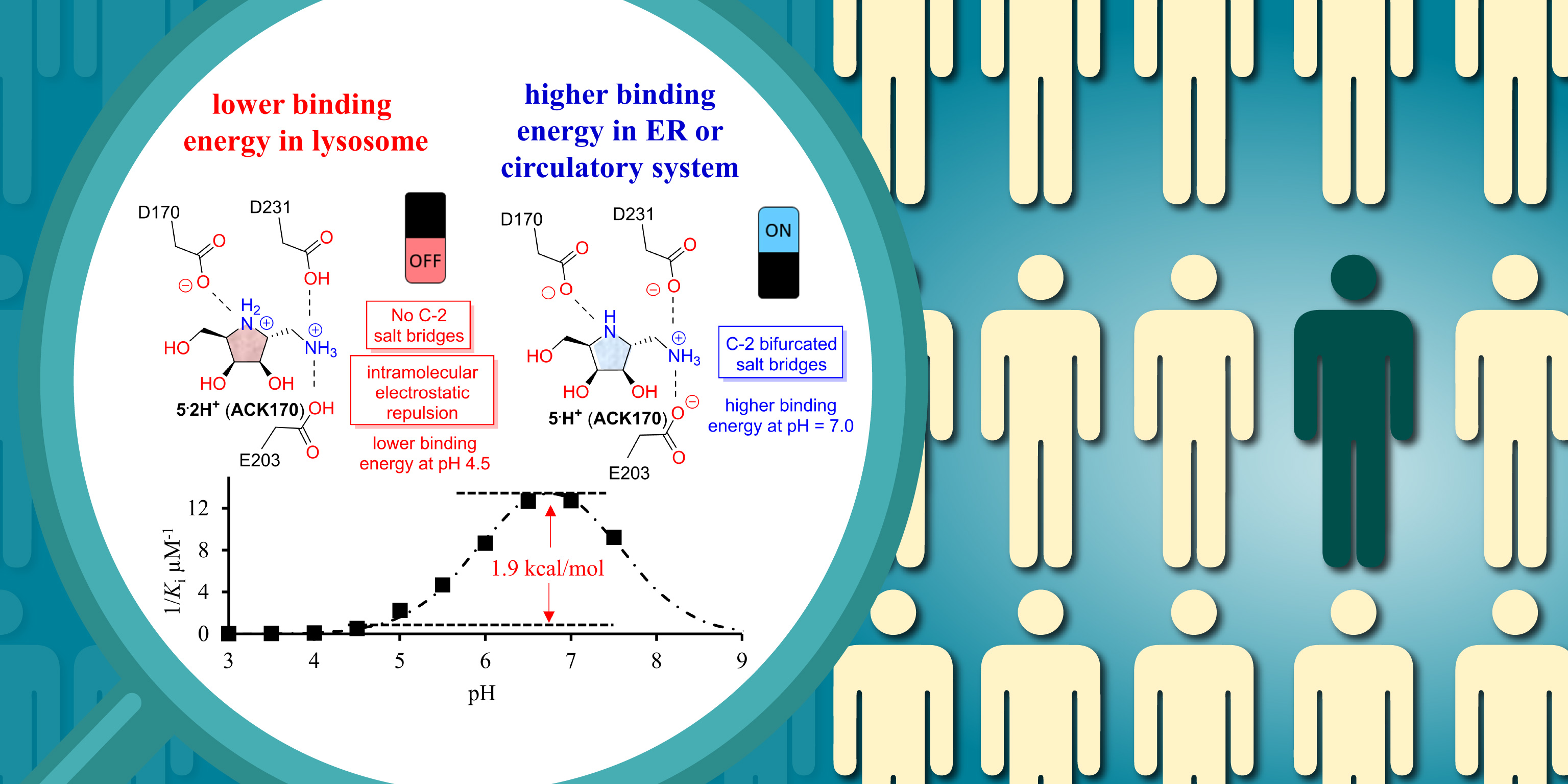
The Next Chapter of Precision Chemical Modification: From Natural Product Inspirations to Efficient Drugs for Rare Disease
"Natural is Still the Best!" Scientists have isolated numerous small molecules with potential biological activity from natural sources. However, these molecules often require chemical modifications and structural refinements to unleash their full potential.
-
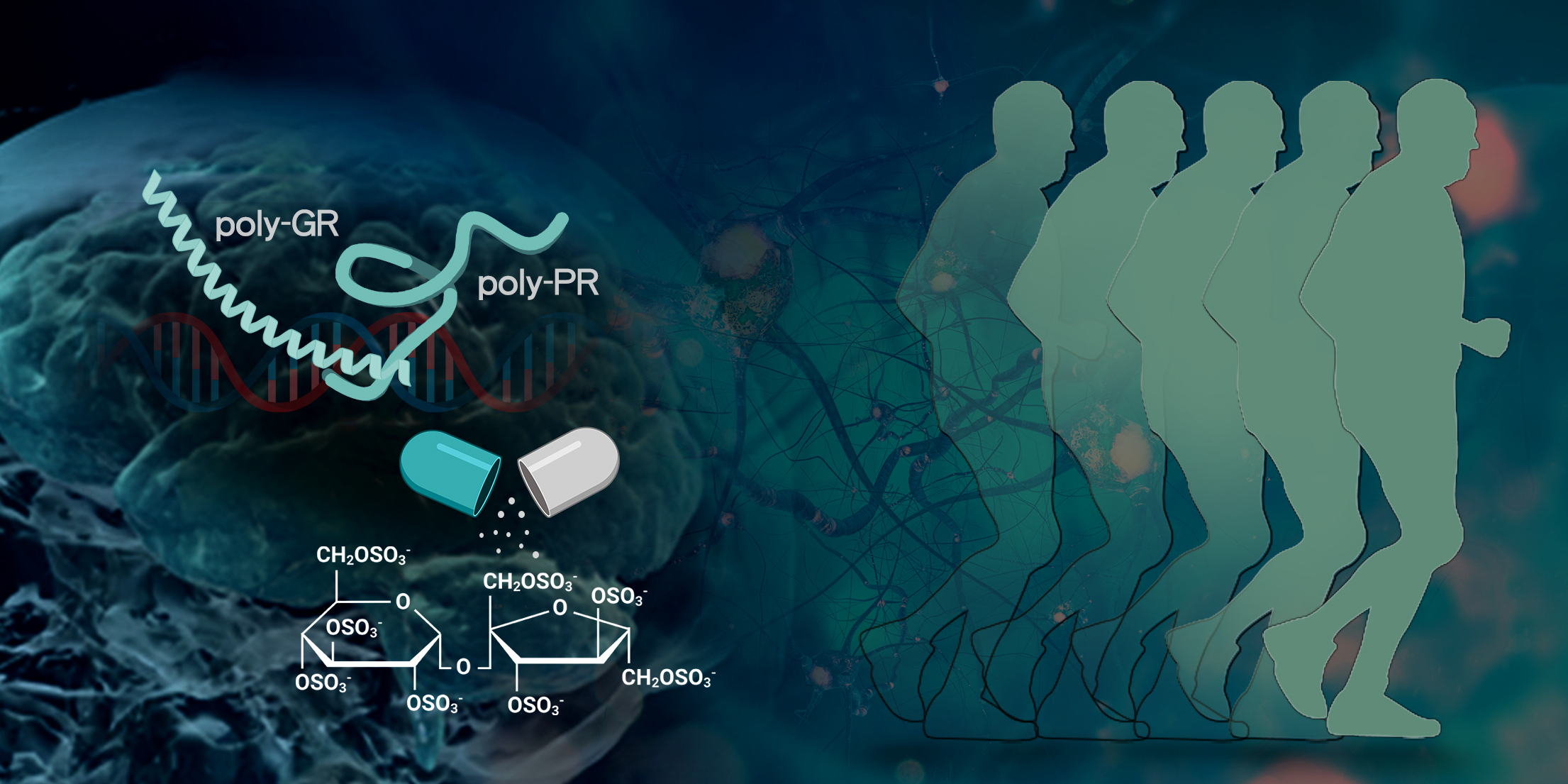
Sulfated Disaccharides Repair Toxic Protein Gain-of-Function, a New Approach to Treatment of Amyotrophic Lateral Sclerosis
As normal cells undergo abnormal proliferation, morphological changes, and eventually transform into cancer, there is a transitional phase known as "precancerous lesions" in pathology. Pancreatic Intraepithelial Neoplasia (PanIN) is the most common and earliest form of precancerous lesion in pancreatic cancer. Current literature indicates that over 90% of PanINs and pancreatic cancer cases exhibit mutations in the KRAS gene. However, can the mutation of the KRAS gene alone drive the early formation of PanINs? Certainly, "there is more than one truth."
-
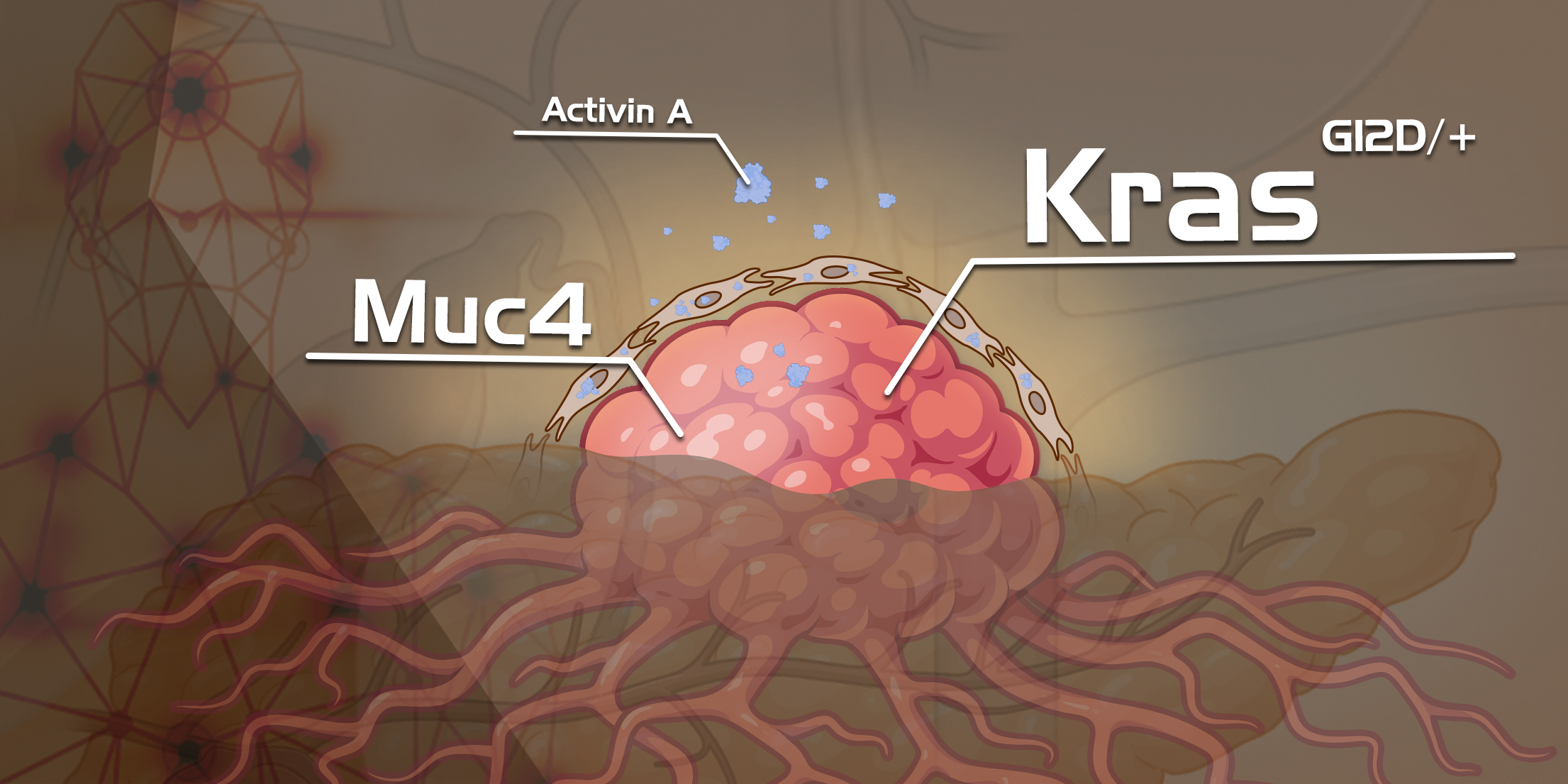
Unveiling the Mystery of Cancer-Causing KRAS Gene Driving Pancreatic Precancerous Lesions
As normal cells undergo abnormal proliferation, morphological changes, and eventually transform into cancer, there is a transitional phase known as "precancerous lesions" in pathology.
-
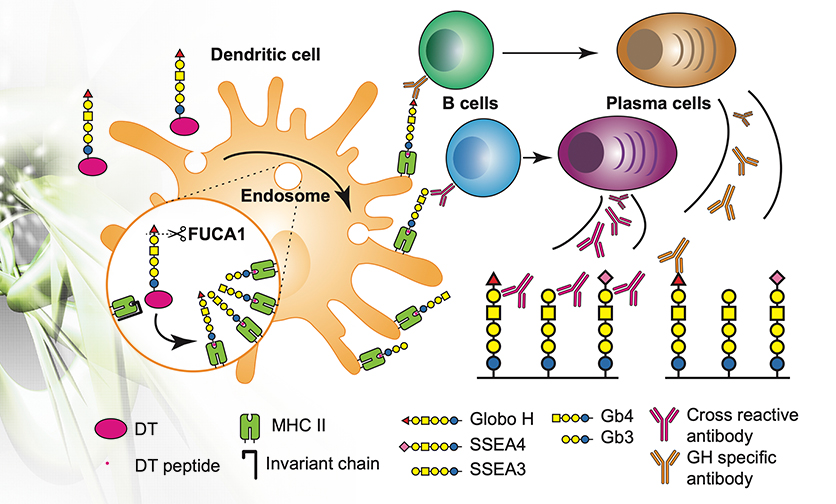
Unveiling Antigen Presentation and Cross-reactive Antibody Response of an Oligosaccharide-conjugate Vaccine, Paving the Way for Advanced Cancer Vaccines
Cancer has been a major threat to human health and the number one cause of death. In addition, the healthcare spending in cancer has been the largest among all diseases.
-
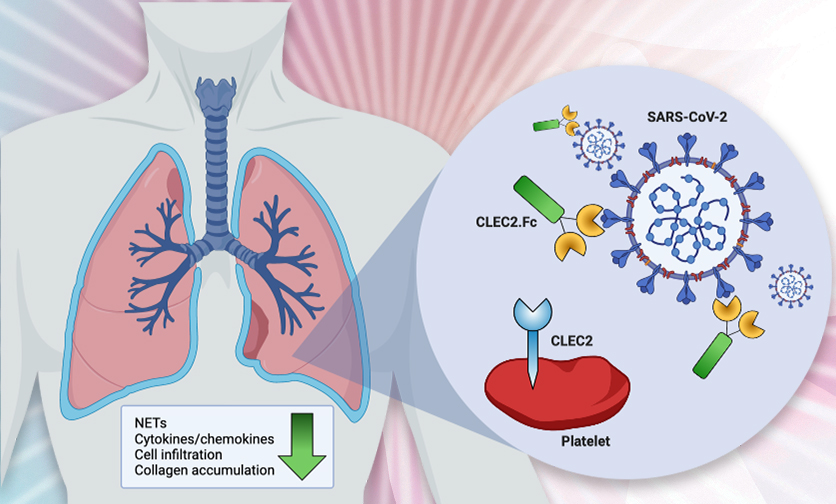
Inhibition of SARS-CoV-2-mediated thromboinflammation by CLEC2.Fc
With the rampant spread of the novel coronavirus (SARS-CoV-2) worldwide, it has caused severe inflammation and even death in COVID-19 patients.
-
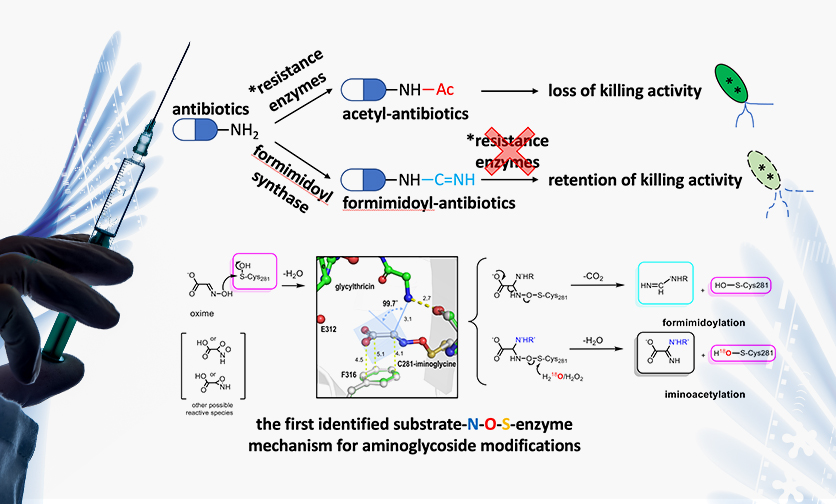
N-Formimidoylation/-iminoacetylation modification in aminoglycosides requires FAD-dependent and ligand-protein NOS bridge dual chemistry
Aminoglycoside antibiotics are essential drugs used in the clinical treatment of bacterial infections. These antibiotics work by binding to bacterial ribosomes, thereby inhibiting protein production.
-

-
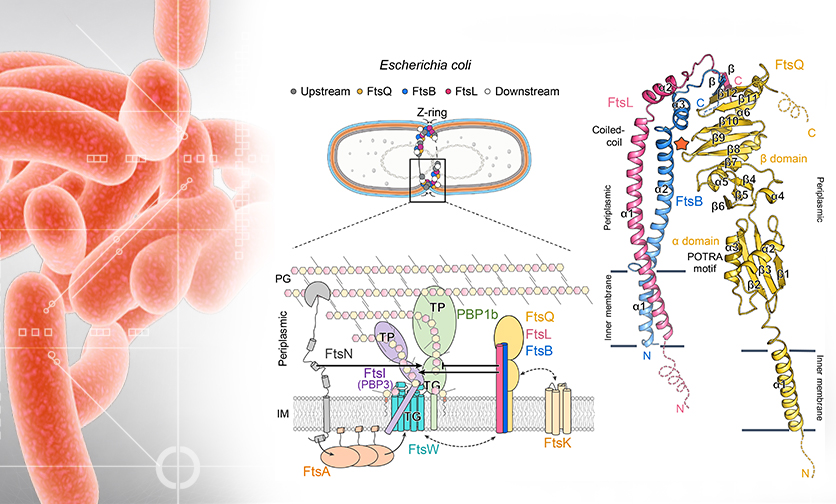
Structure of the heterotrimeric membrane protein complex FtsB-FtsL-FtsQ of the bacterial divisome
Among many strategies in pursuit of new antibiotics for treating resistant bacterial infections, one important approach is to identify and exploit novel targets for the development of new inhibitors.