

Cover Stories
-
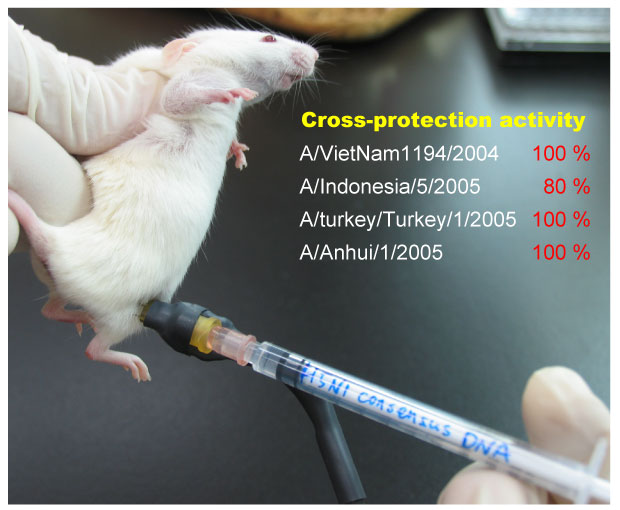
A Broadly Protective and Highly Effective H5N1 DNA Vaccine Developed
It is known that a type of glycoprotein molecule called Hemagglutinin (HA) found on the surface of the H5N1 virus is used by the virus to infect host cells in the first step of its attack.
-

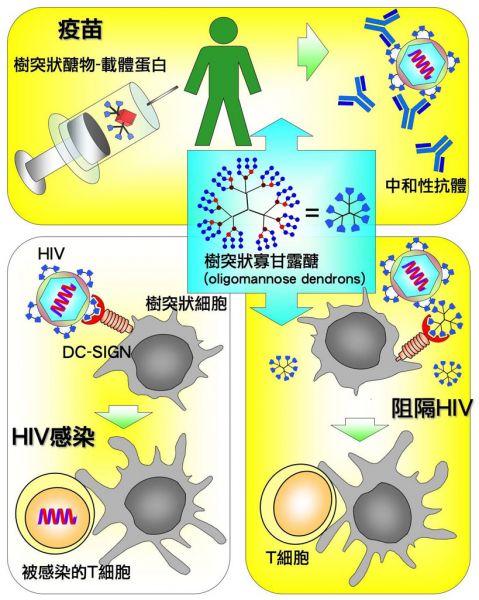
Wong's Lab Achieves Breakthroughs in Glycoprotein Synthesis and Sugar Chip Development
Ninety percent of the proteins in our body are glycoprotein, which are proteins coated with all kinds of sugar molecules. It is known that all the antibodies are glycoproteins, and most of infections caused by virus and the spread of cancer are often involved in using a carbohydrate compound to interact with certain glycoprotein receptor.
-
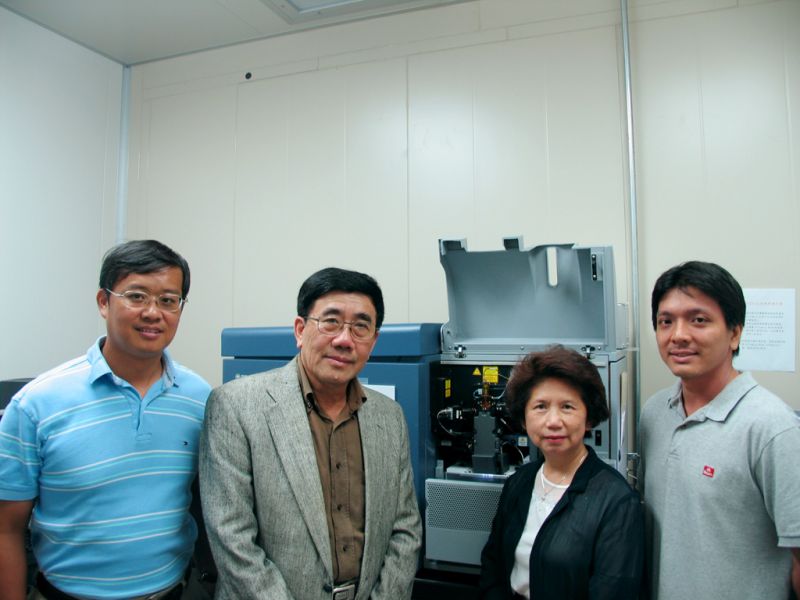
Breast Cancer Vaccine Can Target Cancer Stem Cells
Frustrations in finding effective cures for cancer have led researchers looking into the cancer stem cells (CSCs) in recent years. CSCs possess the capability of stem cells to multiply and differentiate into their progenitors, display resistance to chemotherapy and radiation therapy, and could be the root cause for relapse and metastasis of cancerous tumors.
-

Hepatitis B Virus Genotype and Mutants Can Predict Risk of Liver Cancer
There are 400 million people worldwide, including 18% of adult population in Taiwan, are affected with chronic hepatitis B virus (HBV) infection.
-
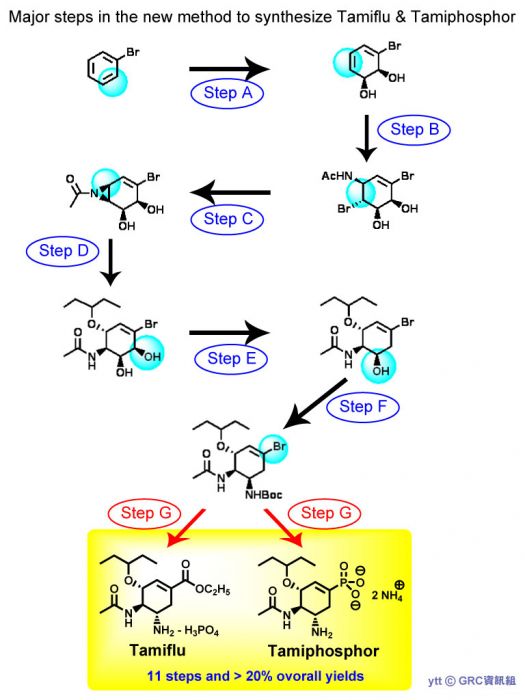
Novel Method for Synthesis of Tamiflu and Tamiphosphor Makes a Leap in Finding H5N1 Antagonist
Ever since the first highly pathogenic H5N1 virus was isolated in 1996, human cases of avian influenza have been reported throughout the world. Threats of avian flu were reported in Southeast China, Hongkong and Pakistan just this past month.
-
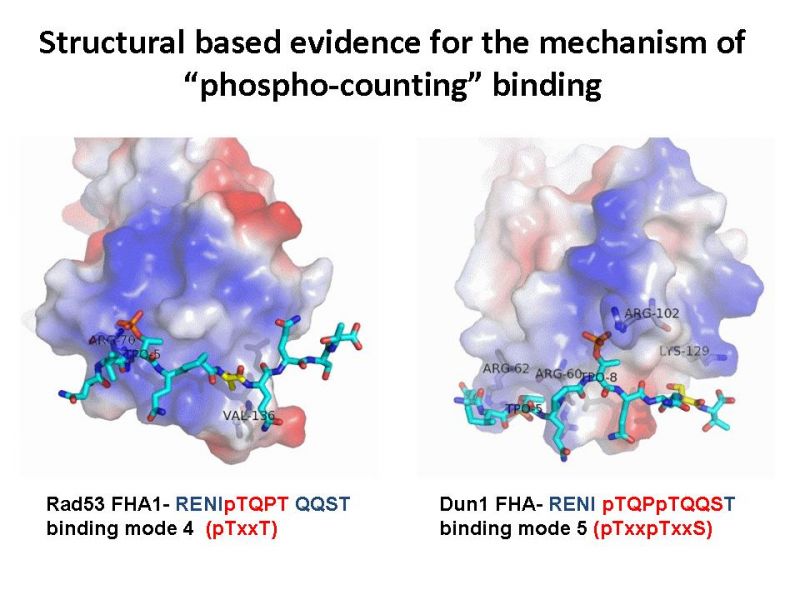
Novel mechanism for DNA damage signal transduction
Imbalance of tumor suppressor genes and oncogenes caused by gene mutations has been proven to directly contribute to tumorigenesis. The gene mutations occur due to fact that the DNA repair could not be fully completed during the cell cycle.
-
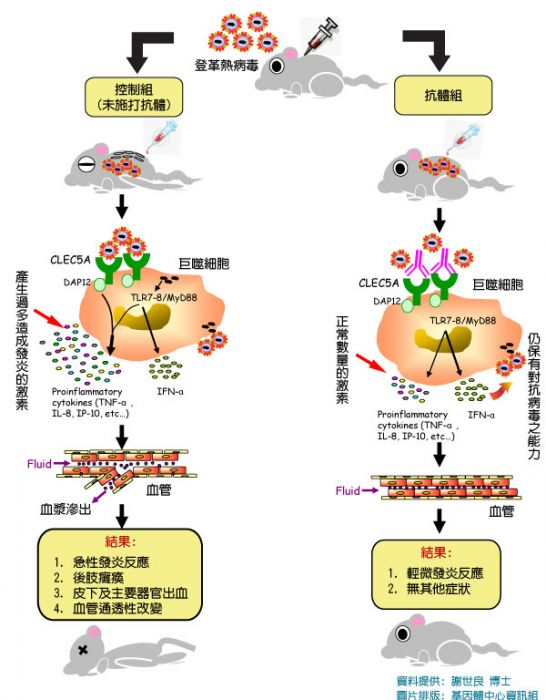
Collaborated Research Shed Lights on Potential Therapeutics for Dengue Fever
Dengue is mosquito borne and infects at least 50 million people a year and threatens two fifths of the overall population on earth. However, little was known about how the virus causes disease, not to say how to cure the infected.
-

Histone demethylase RBP2 finds its targets - Epigenetic Regulation in the focus!
Knowing all DNA sequences is enough to solve the mystery of the great diversity and complexity of life? Scientists have now put the idea aside since very little is different in DNA sequence between human and chimpanzees.
-
-

Discovery Of Antibiotics to Tackle the Problem of Drug Resistance
In the battle of mankind vs. bacteria, the first round was won by mankind due to the discovery of Penicillin. Antibiotics thus became a seemingly almighty weapon to some medical warriors.
-
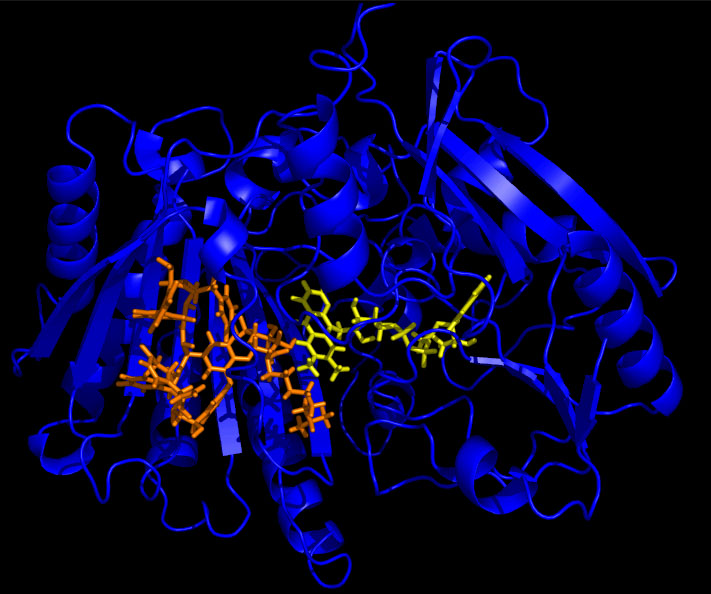
Functional Genomics Team Developed Recipes to Generate Key Enzymes in Making Better Antibiotics
The emergence of multiple-drug resistant bacteria results in unmanageable bacterial infection in human beings has raised global concerns.
-
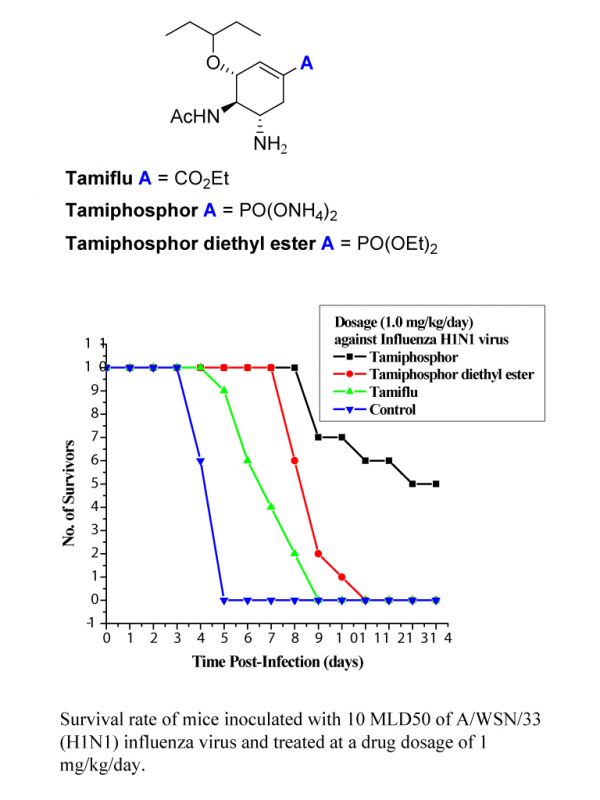
Tamiphosphor: A new orally active enzyme inhibitor against human and bird flu viruses is developed
The SARS outbreak back in 2003 alerted the world enormously due to the pandemic effect has proved to be above boundaries and beyond existing medical awareness. A research team at the Genomics Research Center of Academia Sinica has been developing vaccines and small molecules as new drug candidates targeting threats of various viruses. Their newest breakthrough is a promising drug candidate that can fight against bird flu and human influenza.