

Cover Stories
-
Chang’s Anti-CεmX Invention Transferred to New Drug Development
Since it is rare that a technology transfer deal is reported by multiple press media, we hoped to get some insider scoops so that we could share them with other researchers. More than willingly, Professor Chang and his team agreed to spare some time with us.
-
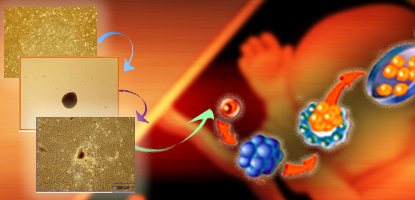
Glycosphingolipid Profile on the Surface of Human Embryonic Stem Cell Identified
Combining the strengths in mass spectrometry analysis with stem cell technologies, an inter-disciplinary collaboration has unveiled a new way to pinpoint human embryonic stem cells. Scientists from Academia Sinica have identified a group of surface markers that can be used effectively in the study of embryonic and induced pluripotent stem cells (iPS) as well as cancer therapeutics.
-

A Chip That Tells More Sweet Findings
The fundamental mechanism of sugar chips is to design, make, and arrange various glycosylated molecules on a tiny glass chip, and then, by observing their binding with substance applied on the chip, one can find out the identity of the substance.
-
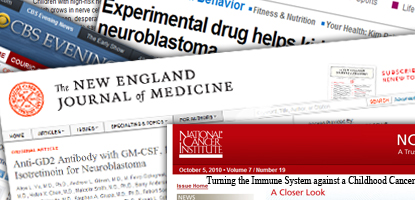
Yu’s Translational Medicine Journey of Neuroblastoma
Back in May 2009, when Dr.Alice Yu presented the results of the Phase III clinical trial of a noval antibody-based immunotherapy (chimeric anti-GD2 antibody ch14.18) for treating high-risk Neuroblastoma patients at the annual meeting of the American Society of Clinical Oncology (ASCO), it was listed as top 5 targeted therapy and received wide attention. The ch14.18 antibody immunotherapy is now made available to all eligible patients.
-

-

-
-
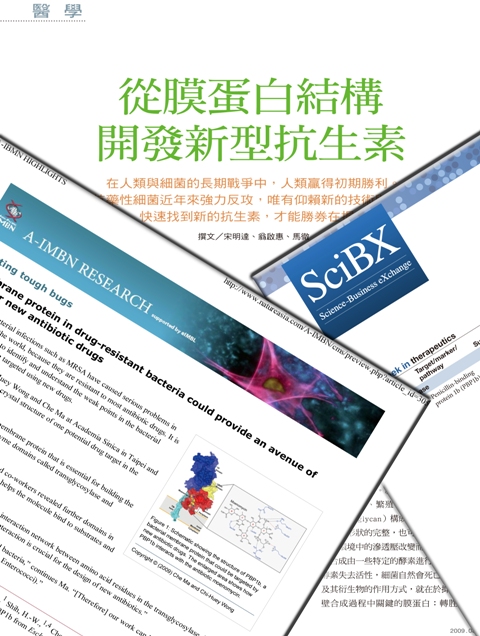
PBP1b Research Rippled
Key Structure of Membrane Protein PBP1b Research Finding Published on PNAS back in May by GRC researchers had since drew attention and reported further by the elite journals including A-IBMN (Asia-Pacific International Molecular Biology Network), SciBX(Science-Business eXchange) and Scientific American Taiwanese edition.
-

Chen’s Study Shows Women with Hepatitis B Virus Infection Have Higher Risk with Liver Cancer
Risk for hepatocellular carcinoma, a primary malignancy of the liver, was statistically significantly higher among women with hepatitis B virus (HBV) infection than among women without the virus, according to a study published online June 17 in the Journal of the National Cancer Institute.
-
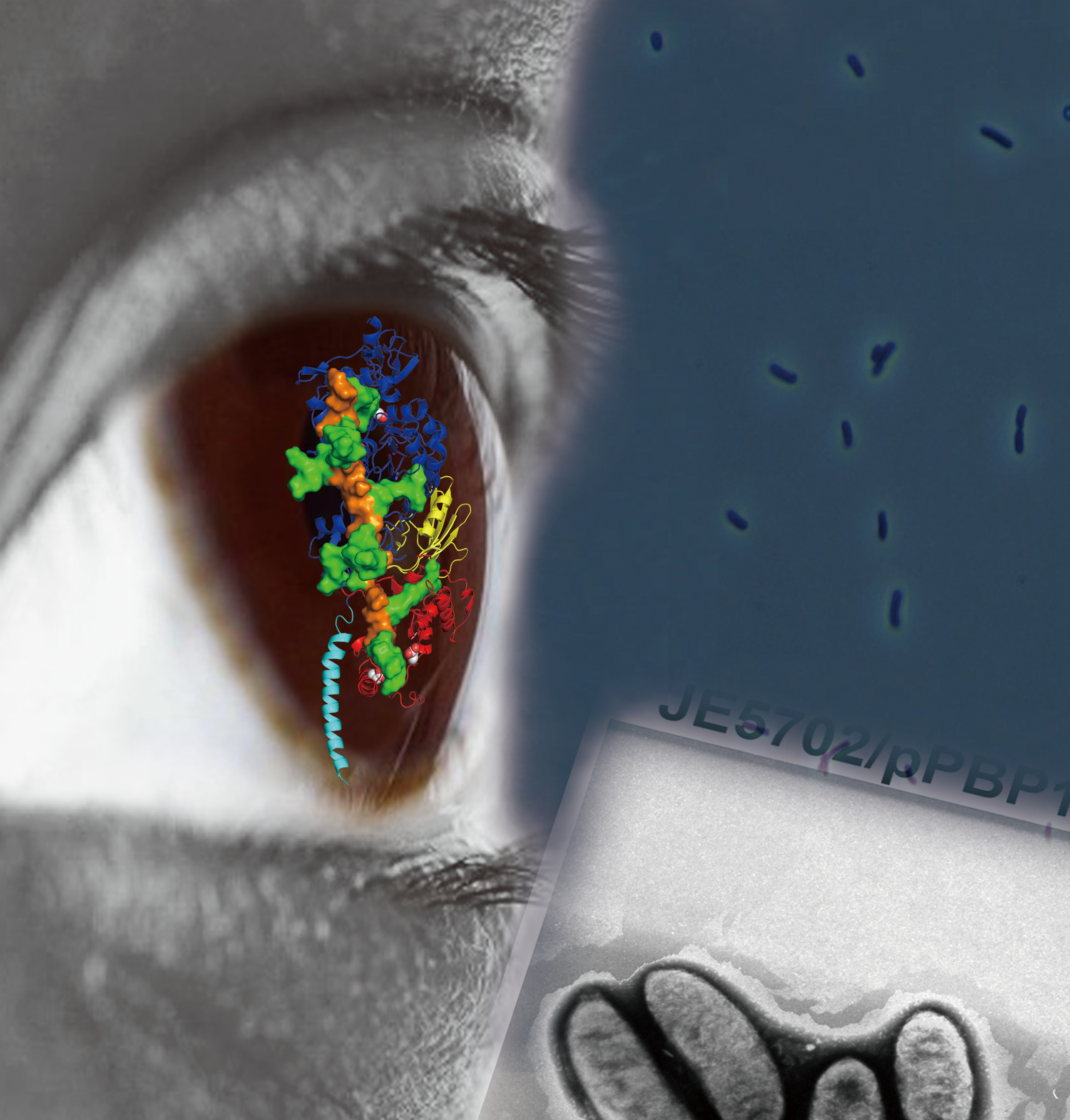
Key Structure of Membrane Protein Unveiled For Finding Next Antibiotics
This is the first time ever the mechanism of the enzyme that holds the key to bacterial cell wall formation is disclosed in details. The PBP1b contains 4 domains required for the synthesis of bacterial cell wall: the transglycosidase domain (TG), the transpeptidase domain (TP), the transmembrane domain (TM), and a yet to be defined domain called UB2H.
-
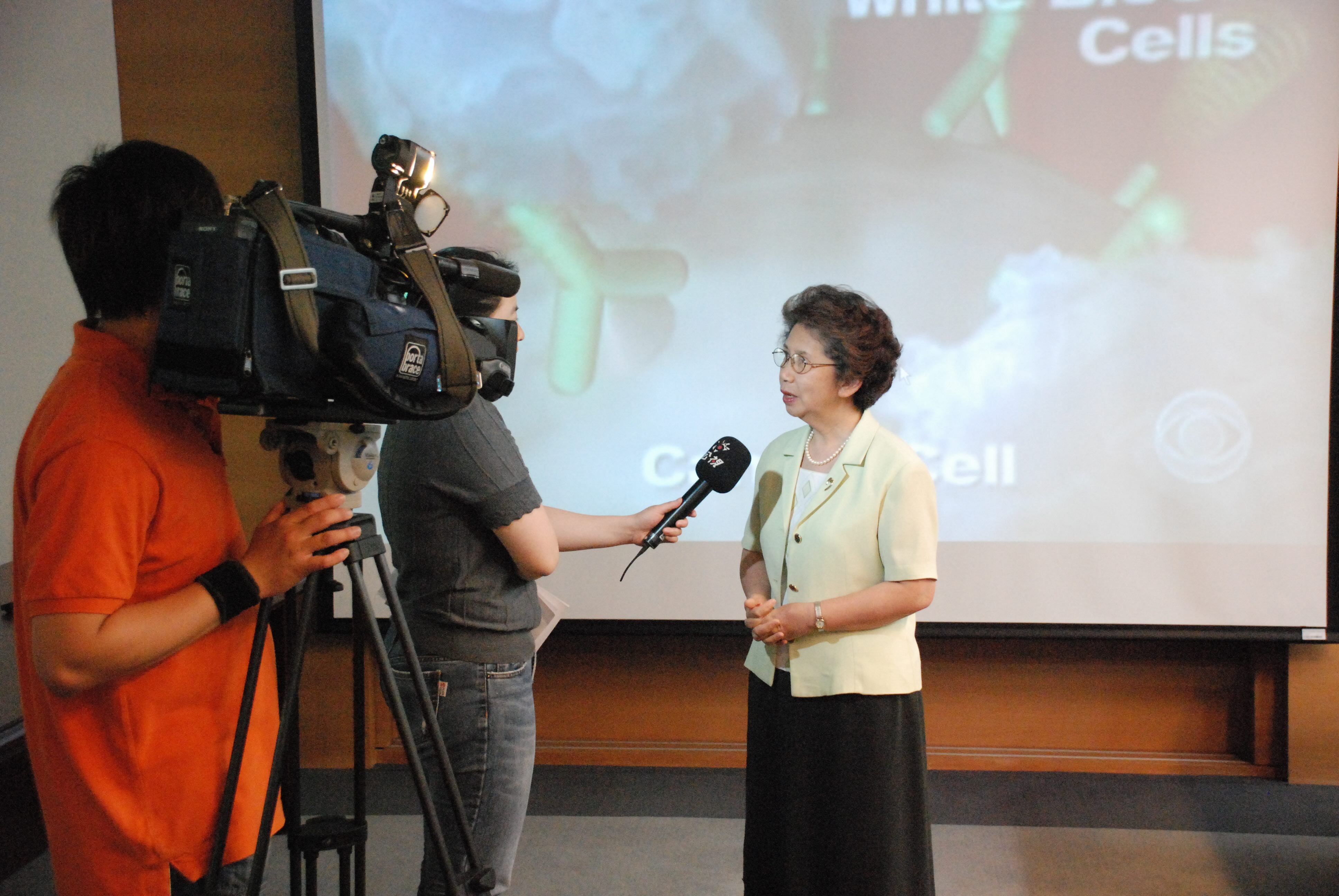
Professor Alice Yu’s Pioneering Immunotherapy Proved Effective for Childhood Neuroblastoma In Phase III Trial
A new immunotherapy treatment pioneered by Dr. Alice Yu has resulted in an average 20% improvement in the rates of cure for children with neuroblastoma. This is the first effective immunotherapy reported for the disease and the first improvement on any neuroblastoma therapy cure-rates for 10 years.
-

Breast Cancer Related Researches Highlighted by A-IMBN RESEARCH
GRC research works on developing a breast cancer vaccine, and a method for early detection of breast cancer were both extracted and reported by the A-IBMN (Asia-Pacific International Molecular Biology Network) website, which is jointly produced by A-IMBN and NPG Nature Asia-Pacific, the Asia-Pacific wing of Nature Publishing Group.