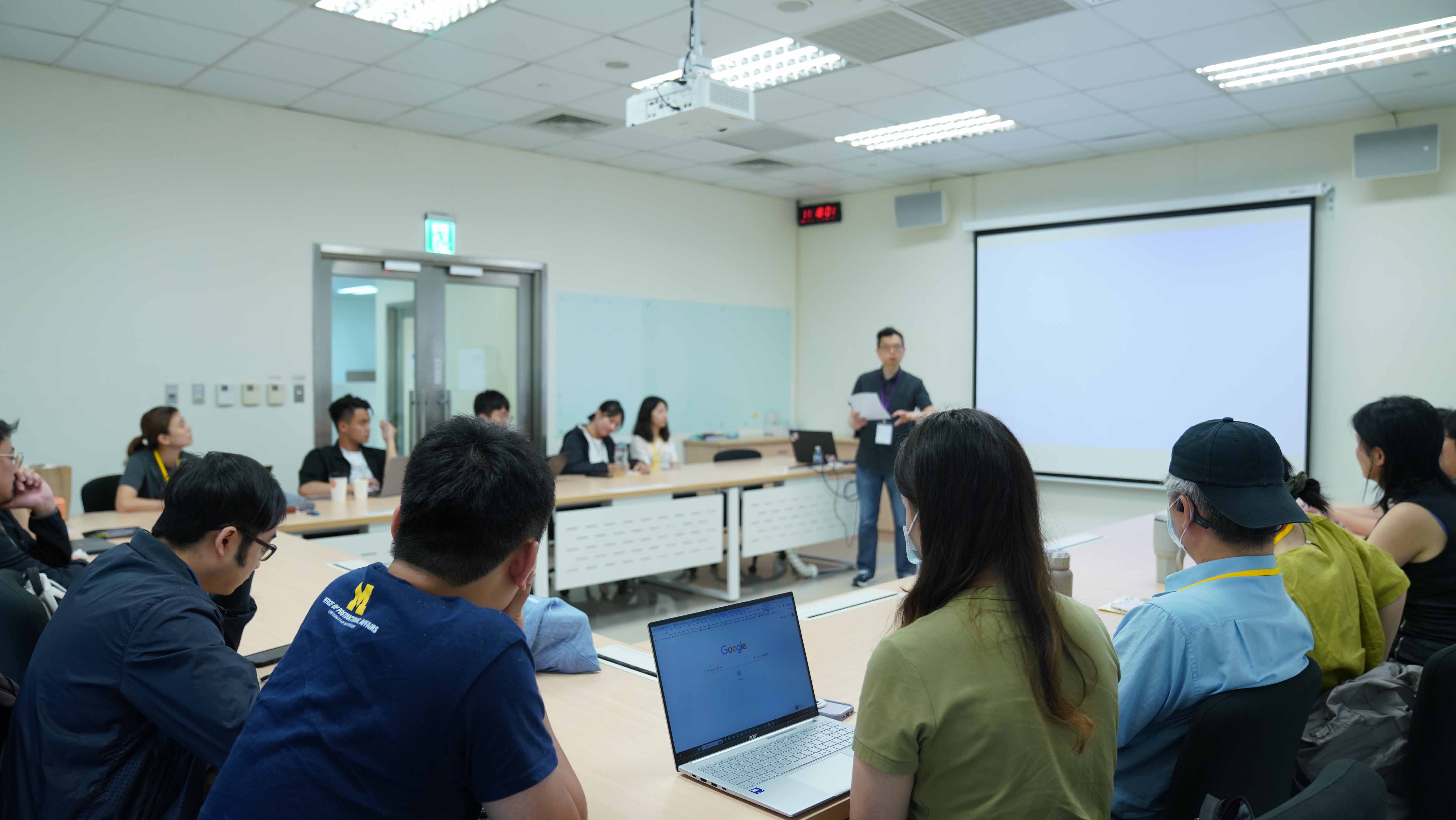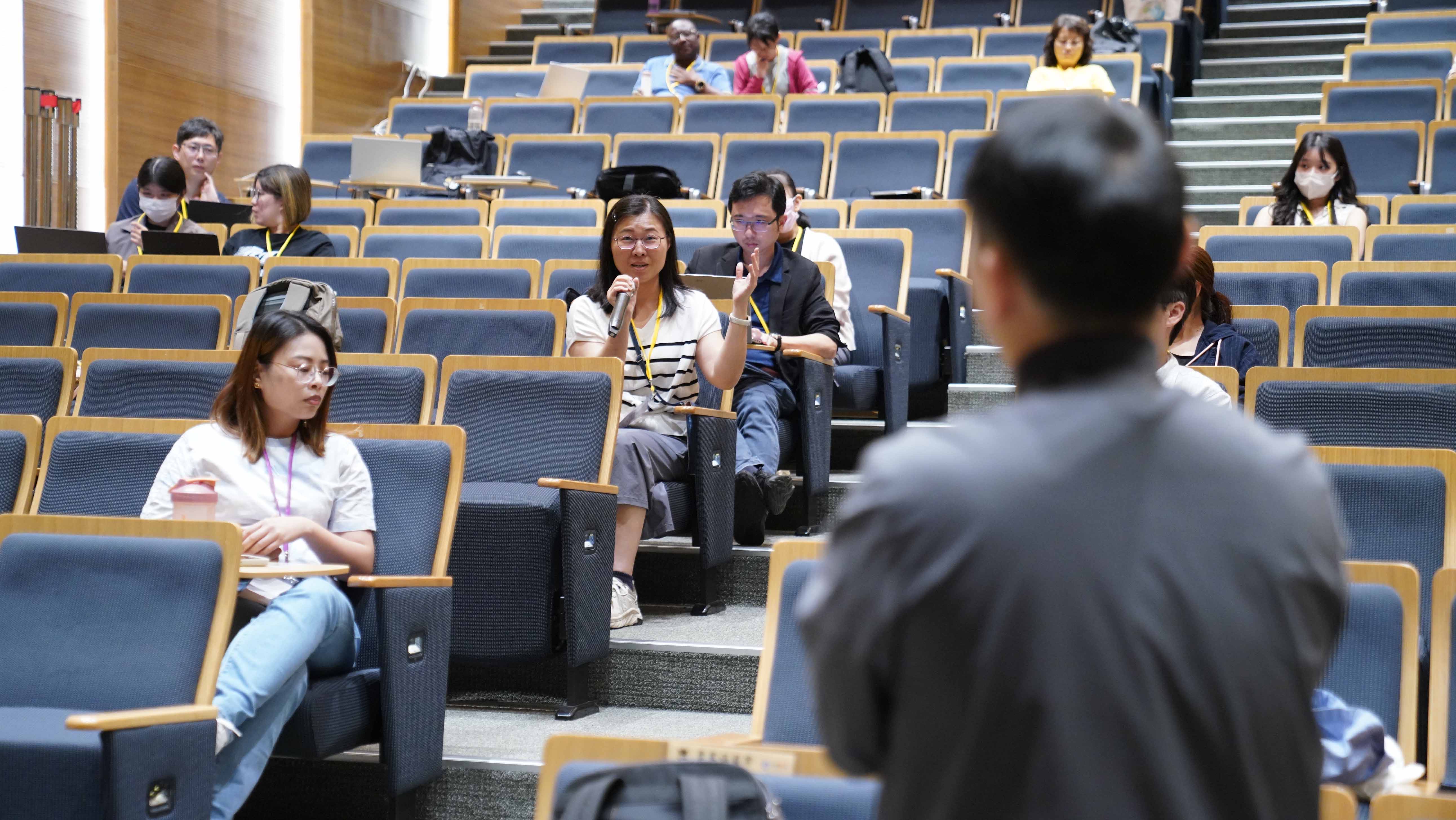

Academia Sinica’s Genomics Research Center (GRC) and Biomedical Translation Research Center (BioTReC), in partnership with the Taiwan Epidemiology Association and Taiwan Biobank, hosted the Genomic Epidemiology Workshop 2026 from August 10 to 14 at the National Biotechnology Research Park (NBRP). The five-day workshop brought together researchers and trainees from genomics, epidemiology, bioinformatics, and precision medicine to explore how artificial intelligence (AI) and multi-omics are reshaping biomedical research.
This year’s workshop, themed “From Genomics to Precision Medicine: AI-Driven Multi-Omics Integration,” featured lectures and discussions on genome-wide association studies (GWAS), next-generation sequencing (NGS), single-cell and spatial omics, proteomics, metabolomics, AI applications, and biobank integration.
Connecting Genomics, AI, and Population Health
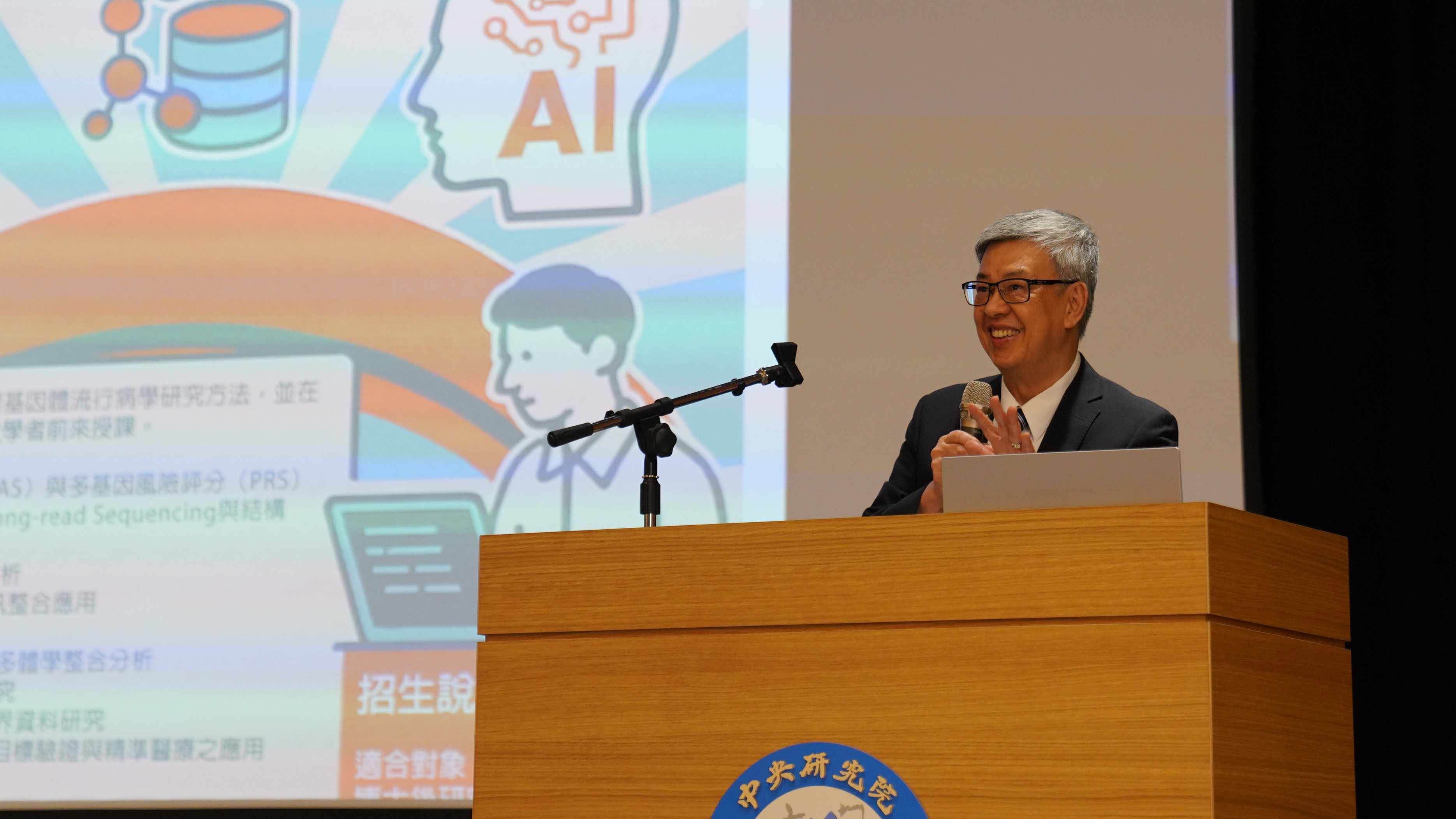
Opening the workshop, Academia Sinica President Chien-Jen Chen highlighted the growing convergence of genomics, AI, and multi-omics, emphasizing the importance of collaboration across disciplines in advancing precision medicine and public health.
President Chen also reflected on the workshop’s origins in 2015, when it was established during his tenure as Vice President of Academia Sinica to train researchers in the analysis and management of large-scale genomic datasets. Returning a decade later as President, he noted the workshop’s continued role in preparing researchers for the rapidly evolving field of genomic epidemiology.
Drawing on his long-standing leadership of the REVEAL cohort studies, President Chen emphasized that complex diseases arise from dynamic interactions between genetic and environmental factors, requiring long-term follow-up and rigorous analytical approaches.
He also highlighted new developments at the Taiwan Biobank, which is expanding its existing genomic resources with a large-scale plasma proteomics initiative. The integration of these data with multi-omics platforms and international cohorts will strengthen the representation of East Asian populations in global proteogenomic research. Together with the second phase of the Taiwan Precision Medicine Initiative, these efforts will further support Taiwan’s development of precision medicine and health technologies.
Held nearly every year since 2015 under the leadership of Convener Professor Yi-Hsiang Hsu of the Harvard Medical School, the workshop has become an established training platform for researchers working at the intersection of genomics, epidemiology, bioinformatics, and precision medicine.
International Perspectives on Multi-Omics and Precision Medicine
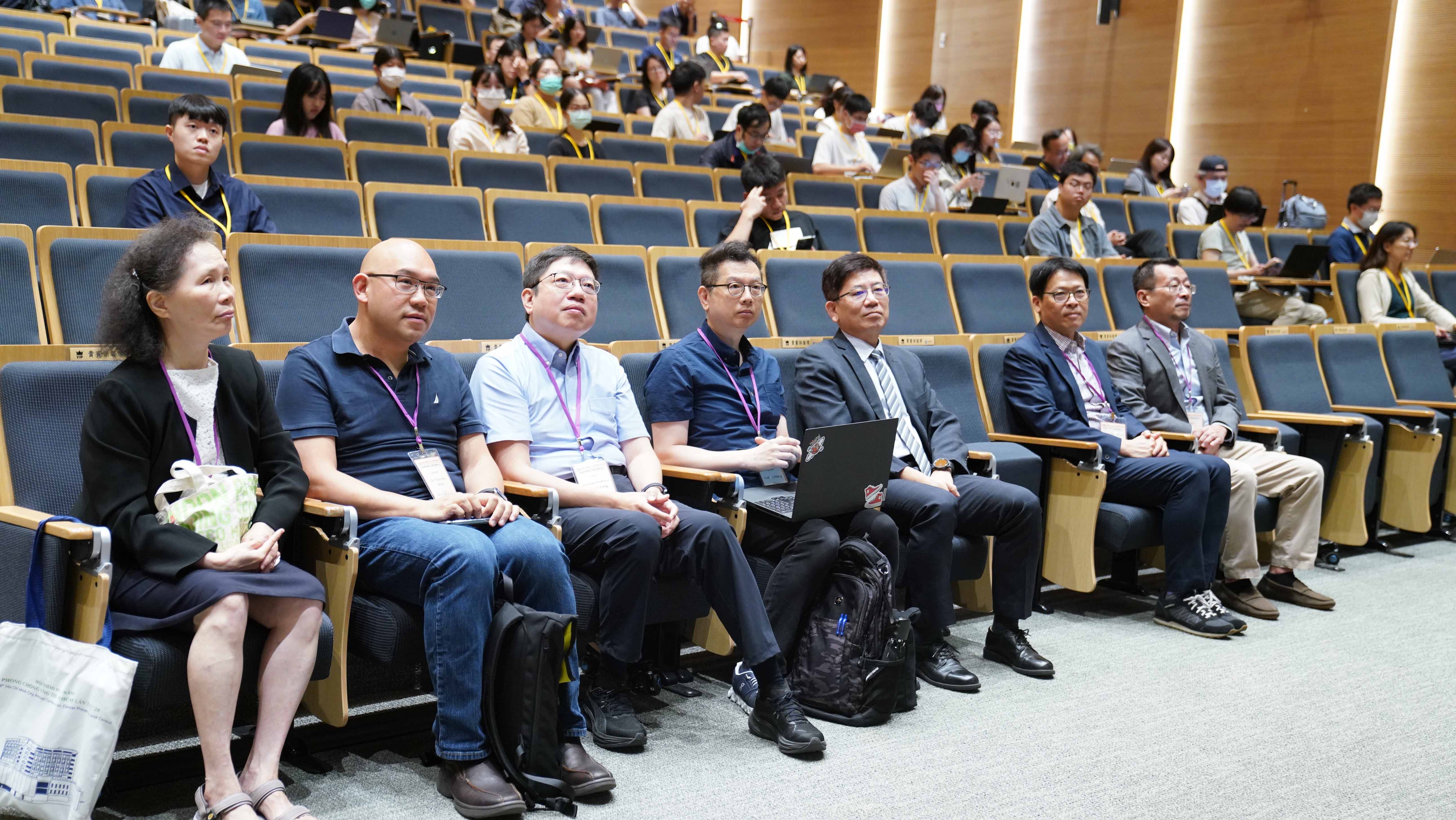
One of the highlights of this workshop is the “Masters in Health Science Mini-Symposium”, where GRC Director Chih-Hao Lee invited two internationally recognized researchers to share their perspectives on the application of multi-omics in population health and disease research.
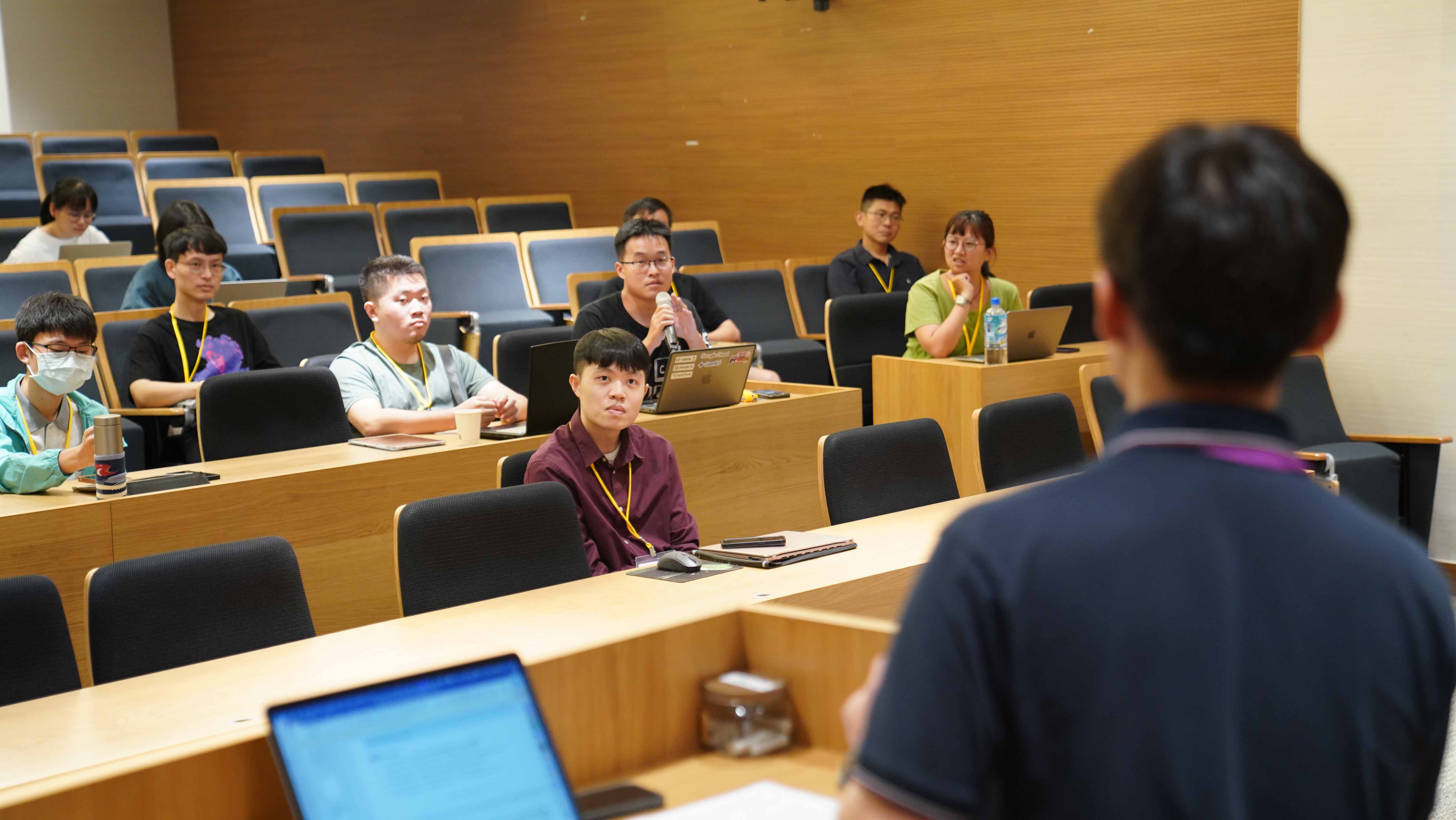
Professor Lu Qi, Director of the Obesity Research Center at Tulane University, presents “Precision Nutrition and Obesity: From Genomics to Multi-Omics.” His presentation explores how integrating multi-omics approaches with personalized nutrition can provide new insights into the biological mechanisms underlying metabolic disease.
Associate Professor Mingyang Song of the Harvard T.H. Chan School of Public Health will present “Bridging Population Science and Clinical Research Through Integrative Multi-Omics: Insights from Colorectal Cancer.” He will discuss how combining population-based cohort data with clinical research can improve the assessment of colorectal cancer risk and inform preventive strategies.
Bringing Real-World Research Questions to the Workshop
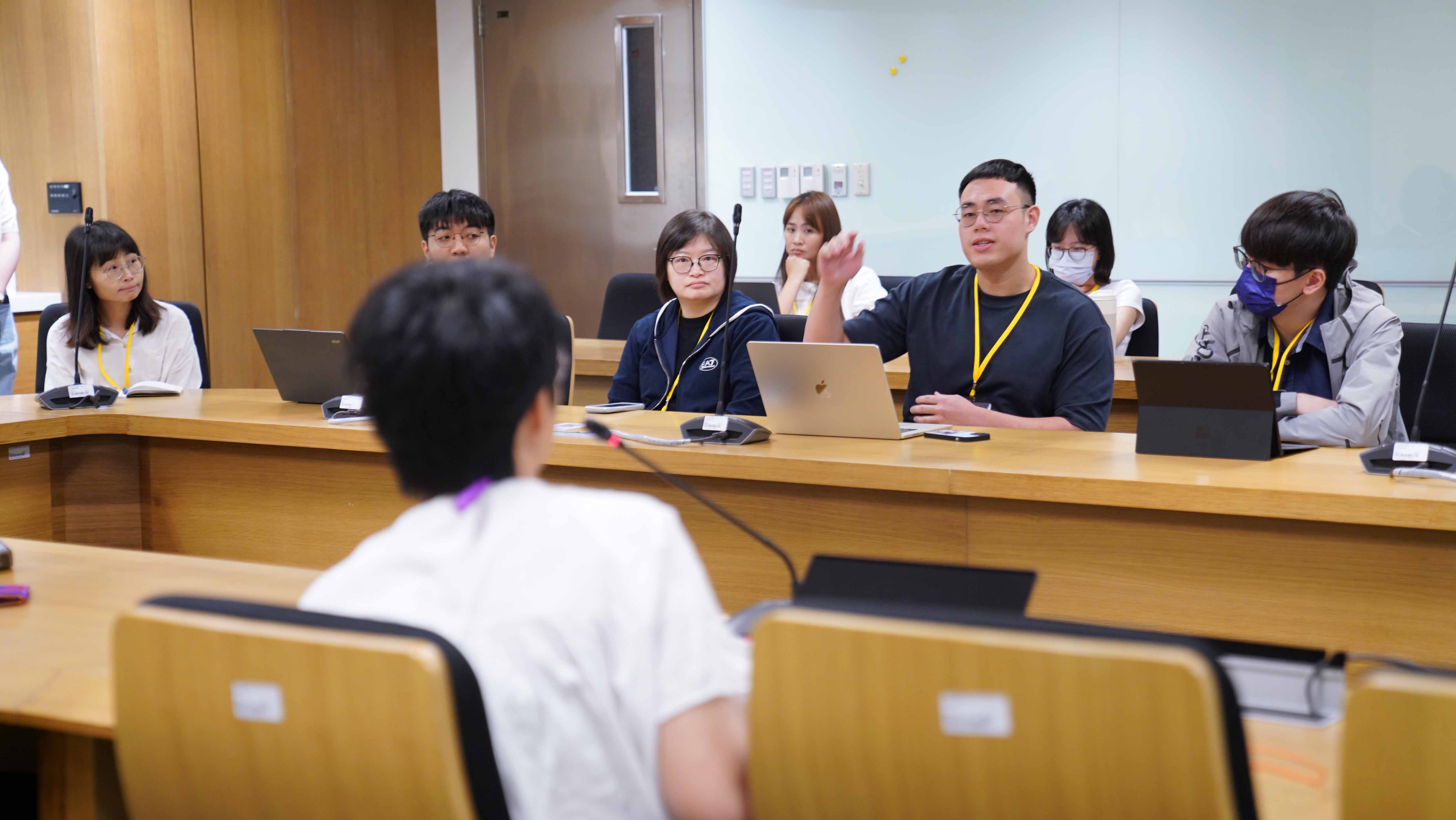
The workshop also introduced a new interactive format, “Bring Your Own Research Questions,” building on the success of its popular Panel Discussions, which have consistently been among the most well-received sessions of the workshop. The panel discussions give participants an opportunity to hear directly from international scholars about research experiences abroad, career development, and interdisciplinary collaboration.
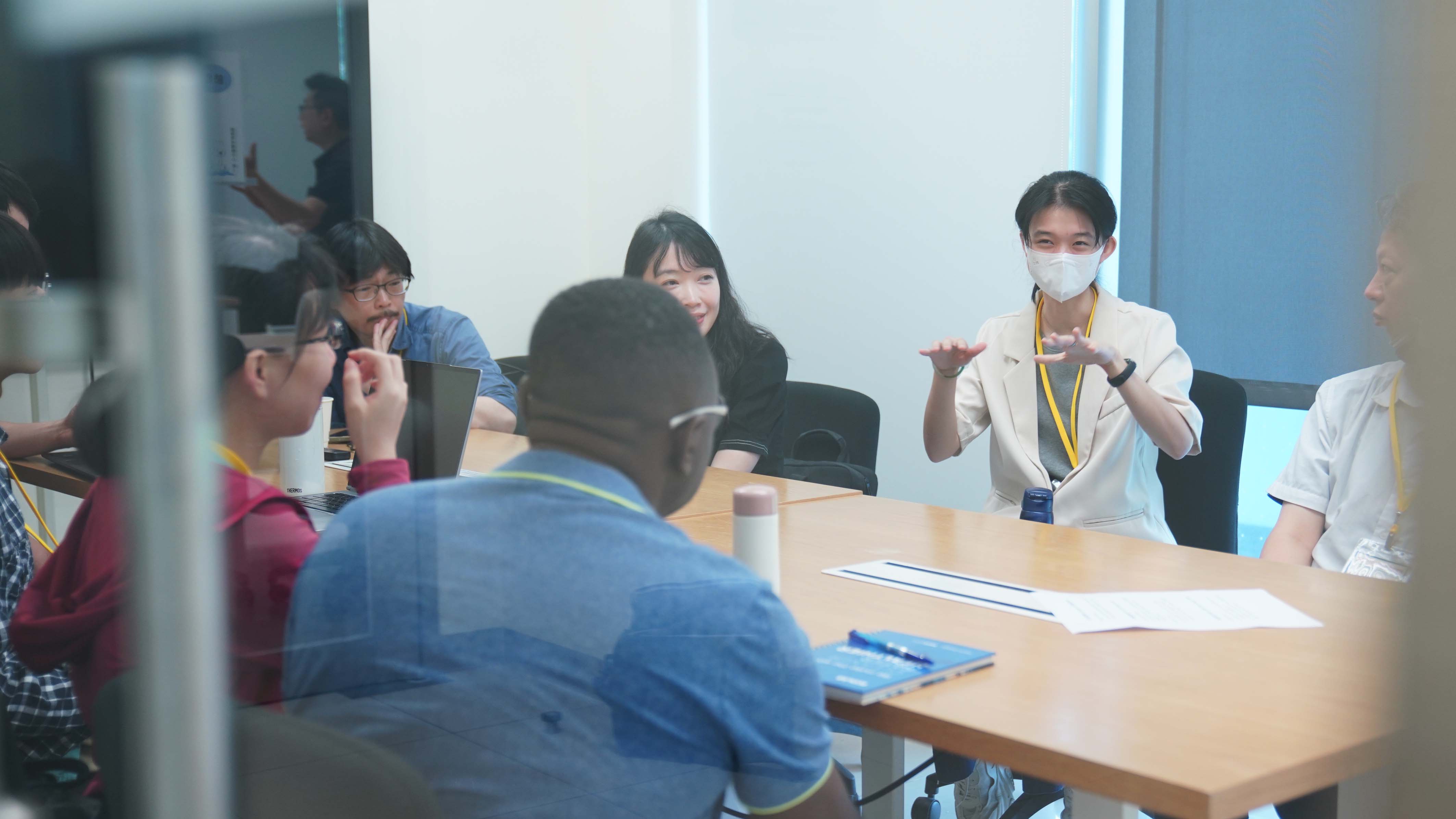
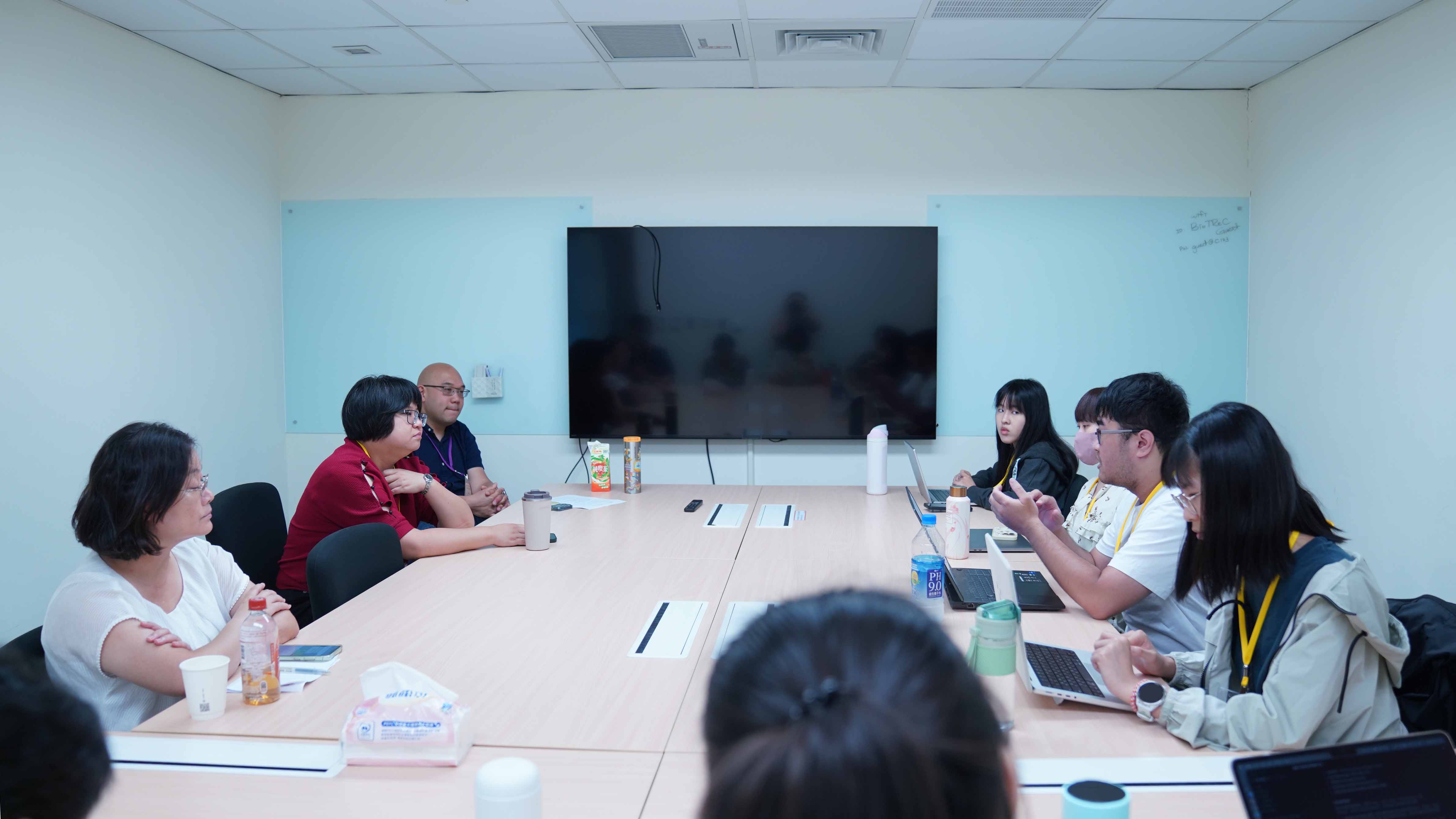
Under the new format, participants submitted research questions and practical challenges from their own work before the workshop. They then joined small, topic-focused breakout sessions with expert instructors to discuss these questions and explore possible approaches.
Dr. Hwai-I Yang, an associate research fellow at the Genomics Research Center and the workshop’s primary organizer, explained that the new format was designed to encourage more direct discussion of the challenges researchers encounter in their day-to-day work.
By bringing together perspectives from academia, clinical practice, and industry, the sessions created opportunities for participants to exchange ideas around concrete research questions and identify potential avenues for collaboration. The organizers hope that this problem-focused approach will help connect emerging technologies with real-world research needs and contribute to the translation of
biomedical discoveries into practical applications.
Related Links
Event Website: https://gesw.genomics.sinica.edu.tw/